
Opioid Side Effect Timeline & Management Planner
Patient Profile
This tool helps visualize the typical onset and duration of opioid side effects so you can prepare management strategies in advance.
If you've ever taken prescription pain medication, you've likely heard warnings about side effects. Sometimes the medicine helps the pain, but brings new problems along with it. The good news is that most of these issues are predictable. They are not random glitches; they follow a pattern that doctors understand well. By knowing what to expect, you can plan ahead instead of reacting when things go wrong.
Opioids are powerful prescription medications derived from the opium plant or synthetically manufactured, primarily used for pain management following major injuries, surgeries, or severe conditions. While they are essential tools for managing severe pain, they come with a set of specific biological reactions. The three big ones you'll hear about are constipation, drowsiness, and nausea. Today, we'll break down why they happen, how long they stick around, and exactly what you can do to manage them without losing control of your comfort.
Why Your Body Reacts This Way
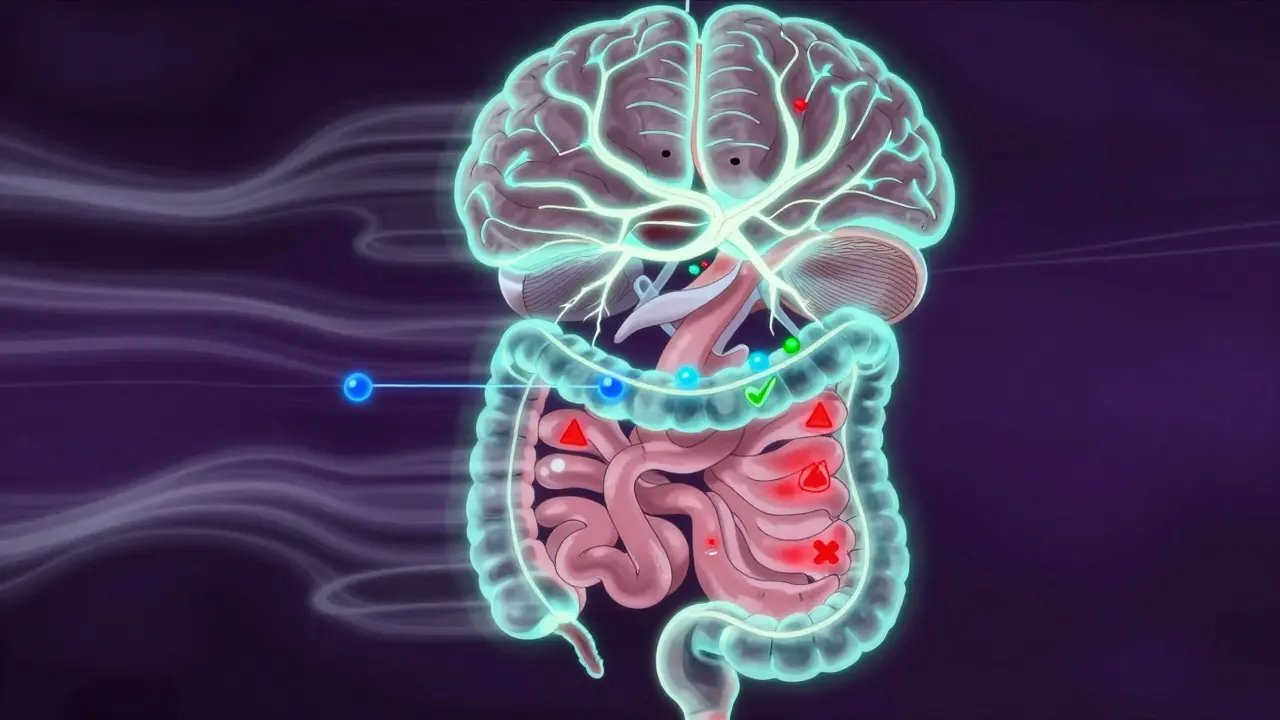
You might wonder why a pain reliever affects your stomach or your energy levels. It comes down to where these drugs travel. When you take an opioid, it doesn't just sit at the site of pain. It spreads through your blood and binds to specific receptors in your body called mu-opioid receptors. These receptors aren't just in your brain; they are all over your gastrointestinal tract, too.
When these receptors get activated in your gut, they slow down muscle movement. We call this peristalsis. Imagine food moving slower than usual through a pipe. Water gets reabsorbed because the stool sits there longer. That is the root cause of the constipation many people face. Similarly, when the receptors activate in your brain stem, particularly the chemoreceptor trigger zone, you get nauseous. Your central nervous system slows down, leading to that heavy, sleepy feeling known as sedation.
Dealing with Constipation Proactively
Out of all the common opioid side effects, constipation is the most stubborn. Unlike drowsiness, which often fades after a few weeks, constipation tends to stay with you as long as you take the medication. Studies from the American Academy of Family Physicians suggest virtually all patients on chronic therapy experience this.
Because it's so predictable, waiting until you feel bloated is usually a mistake. Medical guidelines strongly advocate for starting prevention before you even have symptoms. This means starting a bowel regimen on the very first day you begin your medication. A combination approach works best here.
- Stimulant Laxatives: These push muscles to move faster. Senna is a common example found in many over-the-counter blends.
- Osmotic Agents: These pull water into the bowel to soften stool. Polyethylene glycol is the gold standard here.
If basic laxatives don't cut it, there are specialized options. One specific medication is Methylnaltrexone bromidea targeted treatment option that doesn't cross the blood-brain barrier, preserving analgesic effects while addressing gastrointestinal symptoms.. Approved specifically for this issue, it reverses the gut effects of the drug without stopping the pain relief in your head.
Managing Drowsiness and Mental Fog
Feeling unusually tired or having trouble focusing is very common when starting these medications. Data suggests between 20% and 60% of patients report sedation at the beginning of therapy. For most people, this isn't permanent. Your body builds tolerance, meaning you need less effect over time, so the sleepiness usually fades within days or weeks.
However, for some, it persists. If you are in charge of machinery, driving, or caring for others, this period requires extra caution. There is no quick fix pill that instantly cures this without potential side effects of its own. Doctors sometimes consider dose timing changes-taking the medication right before bedtime to ride out the peak sedation. In rare, refractory cases, clinicians might look at other options like methylphenidate, but this is carefully weighed against risks.
One critical rule: Do not mix these with alcohol or benzodiazepines. Combining central nervous system depressants increases the risk of dangerous respiratory depression. If you feel like you can't function during the day, talk to your prescriber rather than trying to power through it.
Nausea: Short-Term Discomfort or Long Issue?
Nausea typically hits hardest during the first few days. About 25 to 30 percent of patients experience it when starting out. It happens because the drug stimulates the vomiting center in your brain. It also slows your stomach emptying. Fortunately, for the majority, this settles down quickly as tolerance develops.
Treatment usually involves anti-emetics. These aren't one-size-fits-all. Doctors choose based on how the nausea feels. Dopamine antagonists like metoclopramide are often tried first. Serotonin antagonists like Ondansetrona common antiemetic targeting specific pathways to relieve nausea and vomiting. are another popular choice, especially if motion sickness or rapid onset is involved.
Keep in mind that nausea is also a sign of withdrawal. If you suddenly stop taking the medication, your body freaks out. Symptoms can return including vomiting, diarrhea, and increased heart rate. That's why never quitting cold turkey is a hard rule. Any reduction must be gradual under medical supervision to avoid severe discomfort or psychological distress.
Practical Management Strategies
Handling these symptoms isn't just about swallowing extra pills. It requires a systematic plan. Below is a comparison of common management tactics for each side effect.
| Symptom | Cause | Recommended Action | Timeframe |
|---|---|---|---|
| Constipation | Slowed gut movement | Daily laxative routine | Always present |
| Drowsiness | CNS depression | Dose timing adjustment | Fades after 1-2 weeks |
| Nausea | Brainstem stimulation | Antiemetics as needed | Fades after 3-7 days |
It's worth noting that staying hydrated is crucial. Dehydration makes constipation worse and can amplify dizziness. Eating fiber helps, but be careful-too much fiber without enough fluid creates a blockage. Drink water consistently throughout the day.

Safety and Withdrawal Considerations
The conversation around these medications has changed over the years. Regulatory bodies like the FDA have updated labels to warn about the dangers of sudden discontinuation. If you have been taking these drugs for a long time, your body becomes physically dependent. This isn't addiction, which involves compulsive behavior, but it does mean your physiology expects the chemical to be there.
To taper off safely, you reduce the dose slowly. Rushing this process can trigger a massive rebound of symptoms including pain, agitation, and digestive chaos. Always work with your healthcare professional on a schedule that suits your history. If you experience breathing difficulties, extreme confusion, or churning gurgling sounds when sleeping, seek immediate emergency care.
Questions and Answers
How long does drowsiness last?
Most patients experience significant improvement within two weeks. However, a small percentage may remain sensitive long-term and require dose adjustments or timing changes.
Should I wait until I'm constipated to take laxatives?
No. Prophylactic treatment is essential. Start the bowel regimen on day one of your opioid therapy to prevent the buildup that causes difficulty later.
Is nausea a sign of an allergic reaction?
Usually, it is just a common side effect. If you see hives, swelling, or breathing trouble alongside nausea, that points to an allergy and needs immediate attention.
Can I drive while on this medication?
Not until you know how it affects you. Many people cannot drive initially due to sedation. Avoid operating vehicles until your drowsiness fully resolves.
Does tolerance build up to all side effects?
You build tolerance to sedation and nausea over time. Unfortunately, you do not build tolerance to constipation, which is why it remains a chronic management issue.
Living with pain often feels exhausting enough without adding these complications. But understanding the mechanics of your medication gives you power. You can anticipate the waves before they hit. By planning your bowel care, adjusting your schedule for rest, and using specific aids for nausea, you reclaim your quality of life. Keep an open line with your doctor. Reporting these issues isn't complaining; it's part of the safe management protocol for these powerful tools.

Comments
Debra Brigman March 27, 2026 AT 17:27
Pain is not merely a sensation but a dialogue between flesh and chemistry.
When we introduce strong opioids into this conversation, the body speaks back through the gut.
Constipation emerges not as punishment but as predictable physiology.
Muscles slow their rhythmic dance along the intestinal tract.
Peristalsis loses its vigor under the weight of receptor activation.
Water returns to the stream instead of moving waste forward.
Dry matter consolidates while time passes in the lower regions.
This process continues regardless of how long you take the drug.
Unlike drowsiness, tolerance does not build here to save us.
We must accept the regimen before the problem manifests visibly.
Waiting for bloating signals is often already too late for prevention.
Laxatives act as necessary partners rather than temporary fixes alone.
They push movement when natural flow has ceased completely.
Specialized blockers exist for those who find standard care insufficient.
These agents target the gut specifically without dulling pain relief.
Planning is the true antidote to the chaos of side effects.
Knowledge transforms victims of medication into managers of health.
tyler lamarre March 29, 2026 AT 08:06
Most people ignore the gut warning until they regret it.
Devon Riley March 30, 2026 AT 23:06
It's really brave to share this experience 🙌
Staying hydrated helps too 💧
Don't forget to ask your doctor about timing!
Tommy Nguyen March 31, 2026 AT 06:07
totally agree hydration is key water fixes everything honestly
Jeannette Kwiatkowski Kwiatkowski March 31, 2026 AT 17:46
Clearly those without medical literacy miss the nuance regarding pharmacokinetics.
Richard Kubíček April 2, 2026 AT 01:34
Valid point though access remains an issue for many unfortunately.
Austin Oguche April 2, 2026 AT 02:08
Many cultures approach chronic pain differently but safety rules apply universally.
Sarah Klingenberg April 4, 2026 AT 01:35
exactly just remember community support matters most here :)