
When Your Eyes Feel Like Sandpaper
If you wake up every morning with the feeling that your eyelashes are glued together or spend your workday blinking rapidly to clear grit that isn't really there, you know the frustration of Dry Eye Disease. It is more than just discomfort; it affects your ability to read, drive, and focus. Research shows that nearly 16.4 million adults in the U.S. deal with this condition, yet many continue to suffer because they are using the wrong tools. You might be applying drops frequently but still feel parched, wondering why nothing is working.
The reality is that one size does not fit all when treating ocular surface health. What works for mild irritation might fail completely for chronic inflammation. Effective management often requires a combination of medical intervention and environmental control. In this guide, we break down exactly how lubricants and humidifiers function so you can choose the path that finally gives you relief.
Understanding Why Your Eyes Are Dry
Before buying bottles of drops, it helps to know what is missing. Most people assume dry eyes mean their glands simply aren't making enough water. However, about 86% of cases involve evaporative dry eye rather than aqueous deficiency. This distinction matters significantly because the treatment strategy changes completely. In aqueous-deficient cases, your tear production is low, requiring stimulation of the lacrimal gland. In evaporative cases, the oil layer of your tear film is compromised, causing moisture to vanish too quickly.
The tear film itself consists of three layers: mucus, water, and oil. If the oil layer (lipids) is unstable, the water evaporates instantly, leaving your cornea exposed. This explains why frequent water-based drops sometimes make things worse; they add volume without stopping evaporation. Understanding this mechanism is the foundation for selecting the right lubricant.
Choosing the Right Over-the-Counter Lubricants
Artificial Tearsare the first line of defense available without a doctor's visit. They flood the eye with moisture but differ greatly in composition. Most contain polymers designed to thicken the tear film. Common ingredients include carboxymethylcellulose, polyethylene glycol, and sodium hyaluronate. Each serves a different purpose depending on your specific symptoms.
- Carboxymethylcellulose: Found in brands like Refresh Optive, this gel-like substance binds well to the eye surface, providing lasting moisture for moderate symptoms.
- Polyethylene Glycol: Often combined with propylene glycol, this formulation creates a stable barrier. It is less viscous, meaning it feels lighter on the eye.
- Sodium Hyaluronate: Derived from hyaluronic acid, this molecule holds onto water exceptionally well. Many patients report better comfort with higher molecular weight versions.
You also need to decide on viscosity. Low-viscosity drops are watery and easy to apply, ideal for daytime use during office work. High-viscosity gels last longer but blur your vision temporarily. Using a heavy gel while driving is dangerous. Reserve those for night-time use or when you don't need sharp vision immediately. Also, consider preservative-free vials if you use drops more than four times a day; preservatives can build up and damage the surface over time.
Prescription Strength Treatments for Chronic Cases
If OTC options leave you unsatisfied after a month, prescription therapies target the underlying inflammation rather than just masking symptoms. These medications generally require consistency-you cannot skip doses-and results take time. Some work faster than others, however.
| Medication | Active Ingredient | Time to Effect | Primary Action | Common Side Effects |
|---|---|---|---|---|
| Restasis | Cyclosporine 0.05% | 3-6 Months | Increases Tear Production | Ocular Burning (Stinging) |
| Xiidra | Lifitegrast 5% | 2 Weeks | Reduces Inflammation | Taste Disturbance, Burning |
| Miebo | Perfluorohexyloctane | Immediate / 1 Day | Prevents Evaporation (Oil Layer) | Minimal Stinging |
| Tyrvaya | Varenicline | Weeks | Nasal Spray Stimulator | Nose Irritation |
CyclosporineRestasis has been the gold standard for over two decades. It functions as an immunosuppressant that calms the immune system attacking your tear glands. While highly effective, the downside is patience. Clinical studies show symptom improvement typically kicks in after 13 weeks of twice-daily use. Many users abandon it during the initial stinging phase before benefits arrive. Refrigerating the bottle prior to use can help mitigate this sensation.
LifitegrastXiidra acts faster. It blocks a specific protein involved in T-cell mediated inflammation. Because inflammation causes both the pain and the gland dysfunction, blocking it reduces symptoms quicker than cyclosporine alone. However, many users report a bitter taste when the drop drains through the tear duct into the throat.
Newer agents like Mieboa perfluorohexyloctane solution offer a unique approach. Instead of fighting inflammation directly, it physically protects the eye. The drop contains a semifluorinated alkane that floats on top of the tear film, creating a shield against evaporation. This makes it exceptional for evaporative dry eye cases. Unlike traditional oils, this formulation mixes well with tears and provides relief almost immediately after application.
The Underestimated Role of Humidifiers
We tend to focus heavily on what goes in the eye, but what surrounds the eye matters just as much. Modern life is hostile to your tear film. Air conditioning, heating, and computer screens accelerate evaporation. Simply adding drops to a desert climate won't fully solve the problem. This is where Humidifiers become part of the treatment plan.
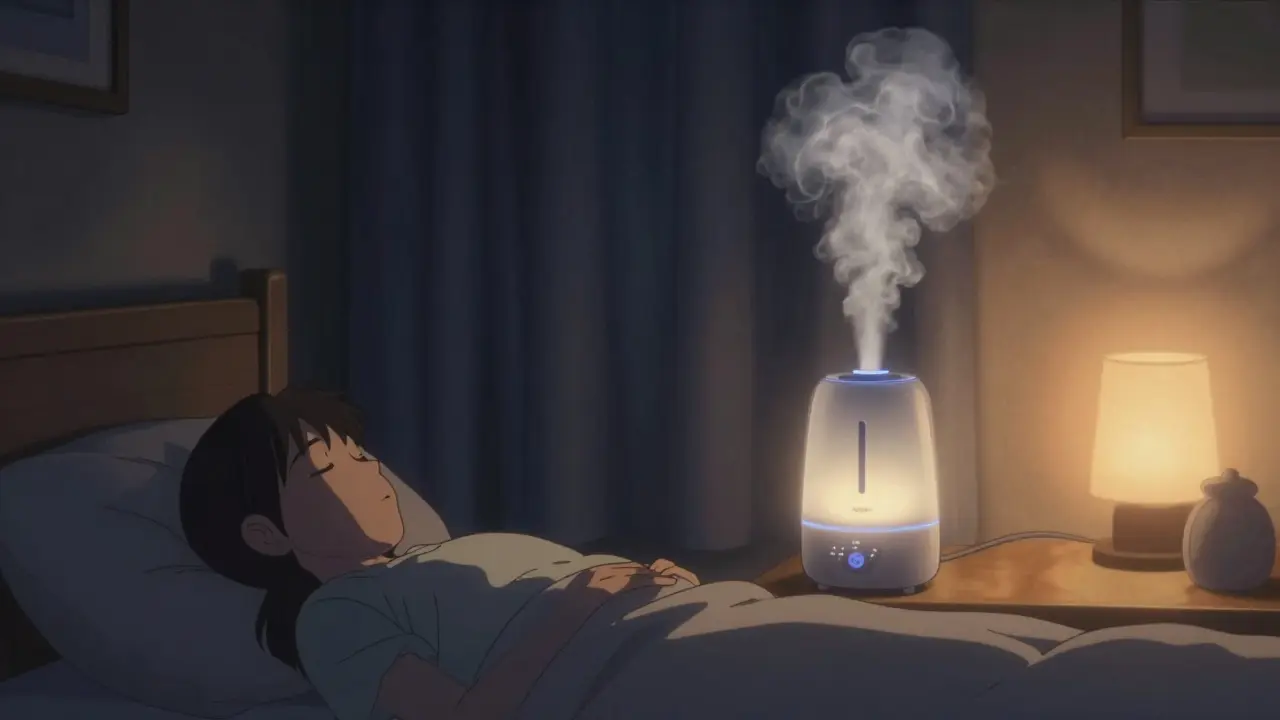
Dry air sucks moisture out of your eyes. Studies indicate that maintaining relative humidity between 40% and 60% in your bedroom can drastically reduce nighttime symptoms. By keeping the environment moist, your natural tears last longer without needing supplemental drops every hour. Ultrasonic humidifiers are preferred because they produce mist quietly without heating elements that burn dust or allergens.
Placing the unit near your sleeping area is crucial since we sleep for roughly eight hours a day. During this window, your blink rate drops to zero, and your eyes rely entirely on the stability of the tear film left behind. Without ambient moisture, the tear film breaks up quickly, leading to that painful morning "awakening" feeling. Pairing a humidifier with your medication regimen creates a supportive ecosystem for your eyes to heal.
Navigating Costs and Insurance Hurdles
Effective treatment is useless if it bankrupts you. Prices have risen significantly across the board. Generic cyclosporine became available in 2020, bringing costs down from hundreds of dollars to a more manageable range. However, brand-name formulations of newer technologies remain steep. For example, Miebo often carries a high price tag, and some insurers require you to try older, cheaper options first-a process known as step therapy.
If insurance denies coverage, ask your doctor about manufacturer copay cards. Many pharmaceutical companies provide assistance programs for uninsured or underinsured patients. Additionally, purchasing medications at warehouse clubs or online pharmacies (with valid prescriptions) can yield significant savings compared to retail chains. Be wary of discount cards that look legitimate but funnel your data to third parties; always verify through the official drug manufacturer website.
Building a Routine That Sticks
The hardest part of dry eye management is compliance. You have to commit to using drops consistently for months to see true changes. If you experience stinging, it's tempting to stop, but breaking the cycle defeats the purpose. Create a routine tied to existing habits-brushing your teeth in the morning and night ensures you don't forget dosing times.
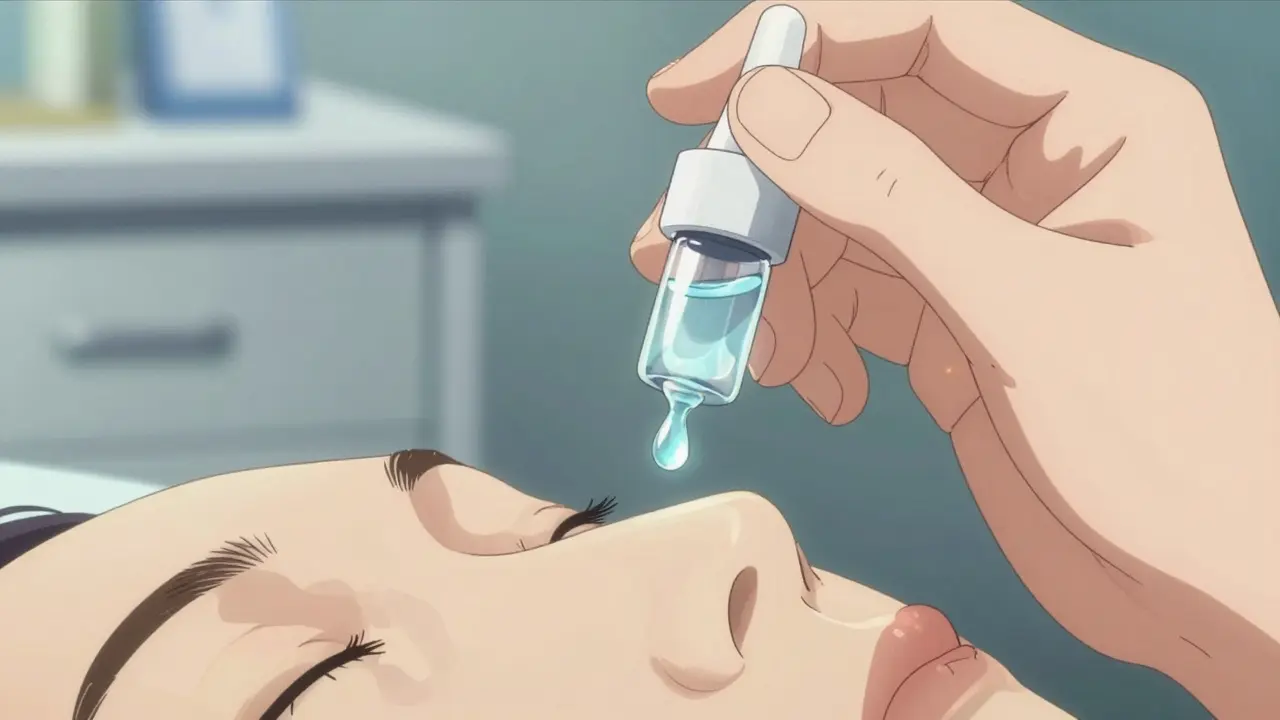
Proper technique also improves outcomes. When instilling drops, tilt your head back slightly and pull down your lower lid to create a pocket. Do not touch the tip of the bottle to your eye or lashes, as this introduces bacteria. Close your eyes gently for 30 seconds to let the medication absorb. If using multiple types of drops (like an antibiotic and a steroid), wait at least 15 minutes between applications so one doesn't wash out the other.
Frequently Asked Questions
How long do artificial tears last?
Most artificial tears are effective for 1 to 2 hours, though high-viscosity gels can last up to 6 hours. Preservative-free single-use vials should be discarded immediately after opening.
Can I wear contact lenses while using dry eye drops?
It depends on the type. Most OTC lubricating drops are safe, but you should remove lenses before using Miebo and wait 30 minutes. Others typically require a 15-minute wait. Always check the label for specific instructions.
Why do my prescription drops sting?
Stinging is common with anti-inflammatory drops due to the vehicle solution. Refrigerating the bottle before use helps numb the eye surface. If burning persists for days, consult your doctor to adjust the dosage or switch brands.
Do humidifiers help dry eyes permanently?
Humidifiers manage symptoms by reducing evaporation but do not cure the underlying disease. They act as a supportive adjunct treatment alongside medications to improve overall quality of life.
Is it safe to use decongestant eye drops?
Redness-relief drops (vasoconstrictors) are generally discouraged for regular dry eye management. They cause rebound redness with prolonged use and do not address the root inflammation causing dryness.

Comments
Charles Rogers March 31, 2026 AT 01:47
You people really think drops fix everything without fixing your lifestyle habits first. It is pathetic how we ignore hydration intake while obsessing over the bottle label details. Most patients blame the doctor when they drink nothing but coffee all day long instead of water. The lipid layer breakdown happens because you stare at screens twelve hours straight without blinking consciously. If you want actual relief you need to stop ignoring the evaporative nature of modern indoor air conditioning systems. Humidifiers are cheap compared to the co-pays you throw away on monthly prescription regimens. Why spend money on Miebo when you could just buy a proper ultrasonic unit for your bedroom environment. The science is clear about environmental impact on tear film stability rates in closed rooms. Your glands cannot compensate for a desert climate regardless of what insurance coverage provides today. Stop blaming biology for your own neglect of basic atmospheric conditions in your home.
Kendell Callaway Mooney April 1, 2026 AT 08:53
Hyaluronic acid options usually feel better than standard saline mixes for long term comfort in my experience. I tried three brands before finding the viscosity that worked for office staring specifically. Preservative free versions cost more but save your surface if you need frequent dosing daily. Check the ingredient list carefully to avoid glycerin buildup in sensitive cases like mine.
Biraju Shah April 1, 2026 AT 10:23
Most of this advice ignores the reality of workplace restrictions on using devices. You cannot run a humidifier in many offices because IT blocks humidity sensors. Personal protection becomes necessary when employers fail to manage indoor climate control systems. Insurance fights every claim for high moisture devices because they prioritize pills.
Katie Riston April 2, 2026 AT 07:23
The human condition often revolves around discomfort we cannot see from the outside world easily. Dry eye feels invisible to colleagues during meetings but burns internally like fire on the cornea. We seek cures in little bottles when the answer lies in the air around us daily. Moisture retention is a physics problem disguised as a medical issue for many chronic sufferers worldwide. When you sleep for eight hours you close your eyes completely and blink rate goes to zero immediately. That vulnerability allows evaporation to strip the surface layers right off the eyeball overnight regularly. Morning gritiness is the direct result of failing to maintain humidity levels in the sleeping chamber. Pharmaceutical companies push expensive solutions because recurring revenue models depend on symptom masking tactics. They sell relief rather than addressing the root cause of tear film instability in arid zones. Artificial tears provide temporary volume but do not stop the leak caused by poor oil quality inherently. Inflammation drives the gland dysfunction yet we treat it with water-based lubricants constantly without pause. This cycle creates dependency where patients feel unable to leave home without their dropper bottles in hand. A humidifier sits quietly in the corner and does its work without requiring manual dosing schedules. Setting it to forty percent humidity creates a buffer zone against the harsh HVAC winds indoors effectively. Sleep quality improves significantly when the airways stay hydrated throughout the night as well. True management requires an ecosystem approach rather than just popping pills or squeezing vials.
Jonathan Sanders April 3, 2026 AT 10:40
Everyone here thinks buying a gadget fixes biology instead of just living normally.
Ruth Wambui April 4, 2026 AT 11:37
Big Pharma wants you addicted to daily drops that cost a fortune every single month. The real cure is likely natural but the patent protects require synthetic chemicals to sell. They tell you inflammation exists so you buy immunosuppressants to calm the immune system. Nobody mentions drinking salted water or breathing through your nose to stop the drying. It is a conspiracy to keep consumers spending on empty plastic bottles forever. Wake up and realize the environment is weaponized against your health.
Rick Jackson April 5, 2026 AT 09:34
I understand the frustration with costs but skipping treatment leads to permanent damage sometimes. Balance is key when trying to manage a budget and health needs together. Generic options have lowered prices recently so check local pharmacy discount cards often. Community resources sometimes offer equipment loans for things like humidifiers in hospitals.
Brian Yap April 6, 2026 AT 18:19
Humidity levels are super important down here in Aussie winters where heaters dry us out fast :D. I keep a bowl of water on the radiator if I cannot afford a machine. Little tricks help more than expected when bills get tight.
sanatan kaushik April 7, 2026 AT 18:47
i find that restasis works slow but xiidra tastes bad for everyone who uses it often. maybe try refrigerating the drops if burning gets too strong during winter season. also clean your face well before applying anything to eyes.
Adryan Brown April 8, 2026 AT 10:30
Many individuals overlook the connection between nasal spray treatments and overall ocular surface stability in general discussions. The nervous system connects the sinuses directly to the tear production mechanisms within the orbital bone structure. Nasal congestion reduces airflow which changes pressure dynamics around the eyelids themselves. Medication choices should reflect whether your primary issue originates from the glands or the lipids coating the surface. Evaporative loss dominates in older adults due to meibomian gland dysfunction rates increasing with age progression. Aqueduct deficiency becomes more common after menopause or autoimmune diseases strike unexpectedly in life. Treating the wrong mechanism wastes valuable time searching for relief in ineffective products alone. Patience remains the hardest part when dealing with slow acting biologics like cyclosporine emulsions. Burning sensations fade after four weeks of consistent morning and evening application routines. Do not abandon the process when initial stinging occurs during the first two weeks of therapy.
Cameron Redic April 9, 2026 AT 11:40
This guide misses the step therapy trap that forces users to fail cheaper drugs first. Insurance companies design protocols to delay access to effective newer medications intentionally. Patients suffer for months taking useless generic drops before getting approved for prescriptive oils. The system is designed to protect profit margins over patient healing timelines. Complaints filed rarely change the formulary status of expensive brand name treatments.
Marwood Construction April 10, 2026 AT 07:58
Your critique regarding insurance barriers aligns with current administrative documentation standards observed in clinics. Manufacturers provide patient assistance programs that bypass some coverage denials if eligibility criteria met. Documentation of prior treatment failure facilitates expedited approval requests for specialists. Coordination between billing departments and providers ensures optimal resource allocation for chronic care.
Jonathan Alexander April 10, 2026 AT 13:59
The bureaucracy destroys lives when doctors simply write prescriptions that pharmacies refuse to fill legally. We wait weeks for approvals while our vision blurs during important presentations. Emotional support groups are the only place people admit they cannot drive anymore safely.
dPhanen DhrubRaaj April 11, 2026 AT 00:56
i guess waiting for approval is hard when pain gets bad sometimes. hope someone helps you find lower cost options soon enough.
Carolyn Kask April 11, 2026 AT 23:25
Americans deserve better than being stuck paying foreign company prices for imported drugs. Our healthcare system treats symptoms while ignoring manufacturing quality issues abroad. Support domestic production of ophthalmologic solutions to ensure safety and availability. Stop importing inferior chemical formulations from overseas factories into our supply chain.