Select a Medication
Click a drug to see its profile and interaction risks.
Please select a medication from the list to view detailed information.
Quick Summary: Key Takeaways
- Most recipients use a "triple therapy" combining calcineurin inhibitors, antimetabolites, and corticosteroids.
- Tacrolimus is the most common first-line drug but carries a higher risk of new-onset diabetes.
- Drug interactions are common, especially with antifungals and certain antibiotics, which can dangerously swing medication levels.
- Long-term risks include increased susceptibility to infections and certain types of cancer, particularly skin cancers.
- Strict adherence and regular blood monitoring (therapeutic drug monitoring) are non-negotiable for graft survival.
The Foundation of Post-Transplant Therapy
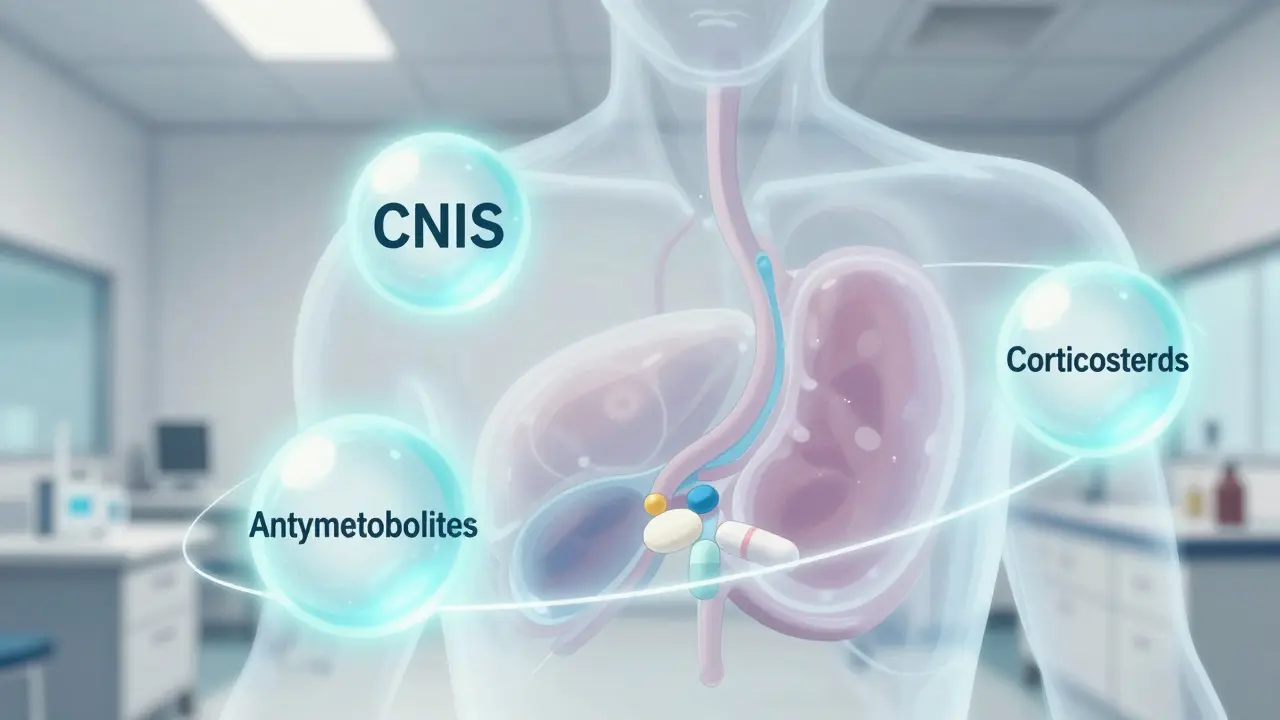
Most transplant centers don't rely on just one drug. Instead, they use a cocktail approach to hit the immune system from different angles. This is usually a mix of three different classes of medication. First, you have Calcineurin Inhibitors (CNIs). These are the heavy hitters. Drugs like tacrolimus and cyclosporine block T-cell activation by stopping the production of interleukin-2. Think of them as the primary shield for your organ. Then there are Antimetabolites, such as mycophenolate mofetil or azathioprine. These interfere with the synthesis of DNA and RNA, preventing lymphocytes from multiplying. Finally, Corticosteroids like prednisone are used to reduce overall inflammation and dampen the immune response. For those who can't tolerate CNIs, doctors might use mTOR Inhibitors like sirolimus. These block the cell cycle progression of T-cells. While they are gentler on the kidneys, they can cause other issues like mouth ulcers or delayed wound healing.Navigating Dangerous Drug Interactions
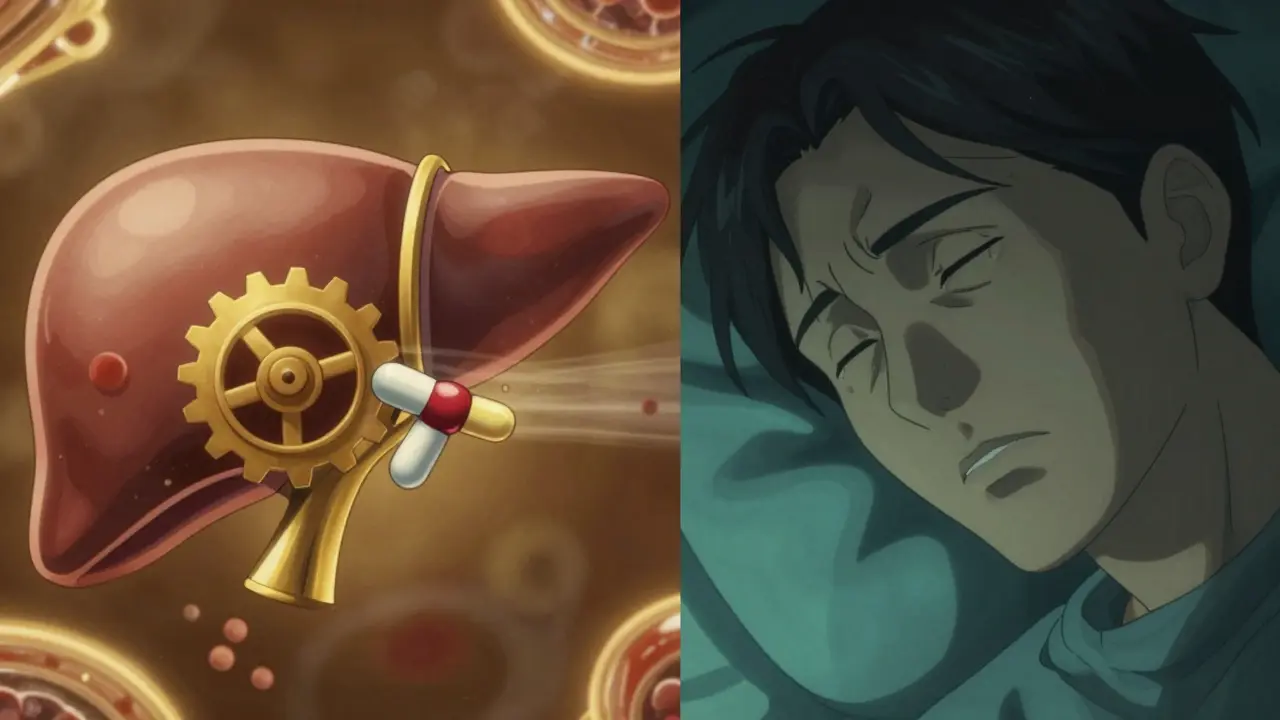
One of the biggest headaches for transplant patients is that immunosuppressants-especially CNIs-have a "narrow therapeutic window." This means the difference between a dose that works and a dose that is toxic is very small. These drugs are processed in the liver by an enzyme called CYP3A4. If you take another medication that messes with this enzyme, your immunosuppressant levels can swing wildly. For instance, if you're prescribed an azole antifungal like fluconazole, it can block CYP3A4, potentially increasing your tacrolimus levels by 50% to 200%. This puts you at a high risk for toxicity and kidney damage. On the flip side, drugs like rifampin (used for TB) can induce the enzyme, clearing the immunosuppressant from your system too quickly and leaving your organ vulnerable to rejection.| Drug Class | Common Example | Primary Benefit | Key Side Effect Risk |
|---|---|---|---|
| Calcineurin Inhibitor | Tacrolimus | High graft survival | Kidney toxicity, Diabetes (NODAT) |
| Antimetabolite | Mycophenolate Mofetil | Prevents T-cell growth | GI issues (diarrhea, nausea) |
| Corticosteroid | Prednisone | Strong anti-inflammatory | Osteoporosis, Weight gain |
| mTOR Inhibitor | Sirolimus | Kidney-sparing | Proteinuria, Poor wound healing |
Living with the Side Effects
It is a tough reality that the drugs saving your organ can damage other parts of your body. Kidney toxicity (nephrotoxicity) is a major concern, affecting 25-40% of those on CNIs. Over time, this can lead to chronic scarring of the kidney tissue. Then there are the metabolic shifts. Many patients develop New-Onset Diabetes After Transplantation (NODAT). This is particularly common with tacrolimus, where 20-30% of patients struggle with blood sugar spikes. Steroids bring their own set of problems: the "moon face" (puffiness), a buffalo hump on the back, and a significant increase in the risk of osteoporosis. In some cases, the bone loss is so severe that long-term recipients require bisphosphonates to prevent fractures. Beyond the physical, there's the emotional toll. Many people report "steroid rage"-sudden bursts of irritability or mood swings-and chronic fatigue. It's not just in your head; these are systemic responses to the medication that can make a normal day feel like a marathon.The Long-Term Risks: Infections and Cancer
Because your immune system is intentionally dampened, you are essentially an open door for pathogens. You have to be cautious about things most people ignore. For example, raw foods can carry Listeria, which can be devastating for a suppressed immune system. A low-grade fever (over 100.4°F) is not just a cold for a transplant patient; it's a signal to call the transplant team immediately. There is also a heightened risk of malignancy. Without a strong immune system to find and kill abnormal cells, skin cancers can develop quickly. Nonmelanomatous skin cancers affect roughly 23% of liver transplant recipients. Additionally, HPV-associated cancers occur at rates 100 times higher than in the general population. This is why daily sunscreen and regular skin checks are as important as the pills themselves.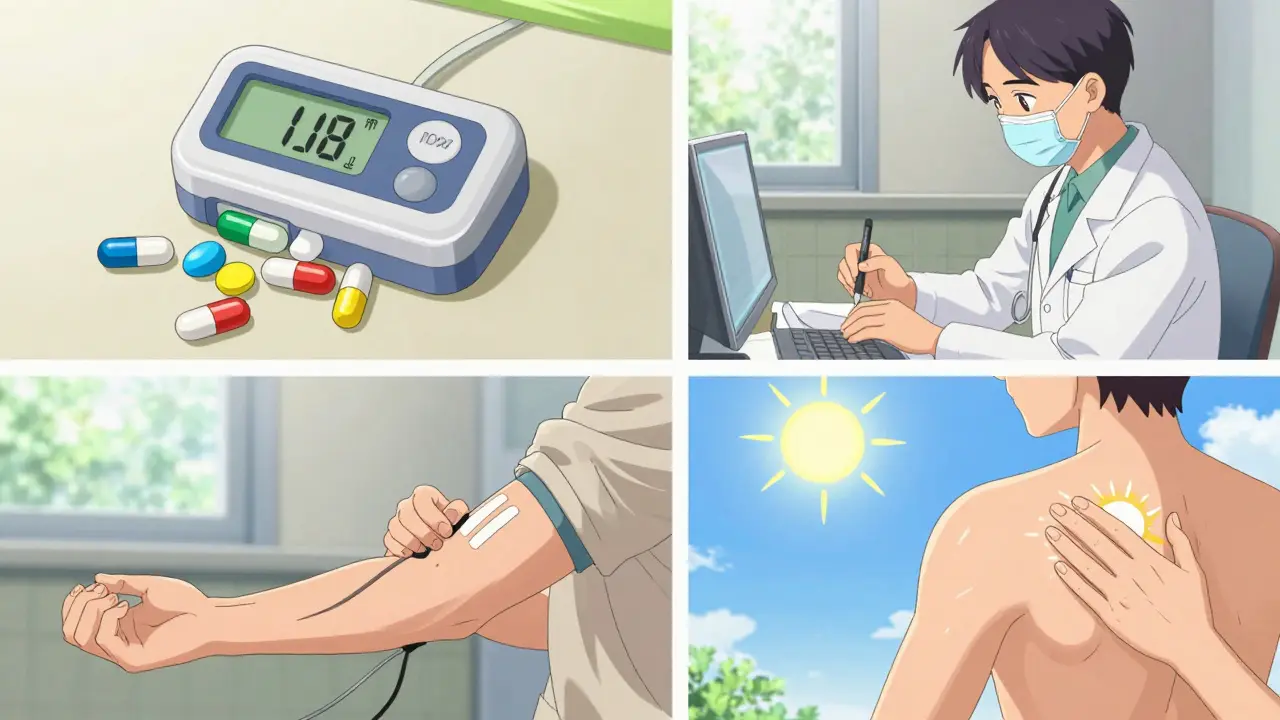
Mastering the Daily Regimen
Managing this therapy is like having a second full-time job. Most patients take between 8 and 12 pills a day, and timing is everything. Missing a dose or taking it too late can lead to a dip in trough levels, which is when the risk of rejection spikes. To manage this, many use electronic pill dispensers, which have been shown to improve adherence from about 72% to nearly 89%. But the pills are only half the battle. You'll spend a lot of time in the lab. Therapeutic drug monitoring involves frequent blood draws to ensure your medication levels stay within that narrow window. In the first year, you might be tested twice a week, eventually moving to monthly checks. These tests are the only way to know if your dose needs adjusting due to weight changes, diet, or other new medications.The Future of Immunosuppression
We are moving toward a world where "one size fits all" is dead. New drugs like voclosporin are offering more consistent levels in the blood with less kidney damage. There is also a push for steroid minimization-getting patients off prednisone as quickly as possible to avoid the metabolic wreckage. The ultimate goal, however, is something called "operational tolerance." Researchers are exploring T-cell therapies that could potentially teach the body to accept the organ without needing drugs at all. While this is currently only successful in a small percentage of cases, it represents the finish line for transplant medicine: a life with a functioning organ and zero side effects.Can I take over-the-counter vitamins or supplements?
You should never start a supplement without checking with your transplant team. For example, St. John's Wort is a potent inducer of CYP3A4 and can crash your tacrolimus levels, leading to organ rejection. Even certain herbal teas or high-dose vitamins can interfere with drug absorption or kidney function.
What should I do if I miss a dose of my immunosuppressants?
Follow the specific protocol provided by your transplant center. Generally, if you remember shortly after the missed time, take it immediately. However, if it's almost time for your next dose, do not double up. Contact your coordinator to report the miss and determine if an extra blood test is needed to check your trough levels.
Why do I have to get blood tests so often?
Immunosuppressants have a narrow therapeutic window. Too little medication leads to rejection; too much leads to toxicity (like kidney failure or diabetes). Regular blood tests measure the "trough level" (the lowest concentration of the drug in your blood before the next dose) to ensure you are safely in the middle.
Are the side effects of these drugs permanent?
Some are temporary, like the initial nausea from mycophenolate. Others, like the risk of osteoporosis or kidney fibrosis, are chronic and require lifelong management. However, switching medication classes (e.g., from a CNI to an mTOR inhibitor) can sometimes reverse or slow down certain side effects, such as improving GFR levels in the kidneys.
How do I protect myself from infections while on these drugs?
Basic hygiene is your first line of defense. Wash your hands frequently, wear masks in crowded areas during flu season, and avoid raw or undercooked foods that could harbor bacteria like Listeria. Always inform any doctor or dentist you visit that you are an immunosuppressed transplant recipient before they perform any procedure.
Next Steps and Troubleshooting
For New Recipients: Focus on building a rigid routine. Use a pill organizer and set multiple alarms. The first six months are the most critical for monitoring; don't skip a single lab appointment.
For Long-Term Recipients: If you are experiencing chronic fatigue or glucose intolerance, ask your team about "steroid weaning" or switching from tacrolimus to an mTOR inhibitor. It may improve your quality of life without compromising the organ.
If You Notice Skin Changes: Any new or changing mole or non-healing sore should be seen by a dermatologist immediately. Because your immune system can't "police" skin cells as effectively, early detection is the only way to stop transplant-related skin cancers.
