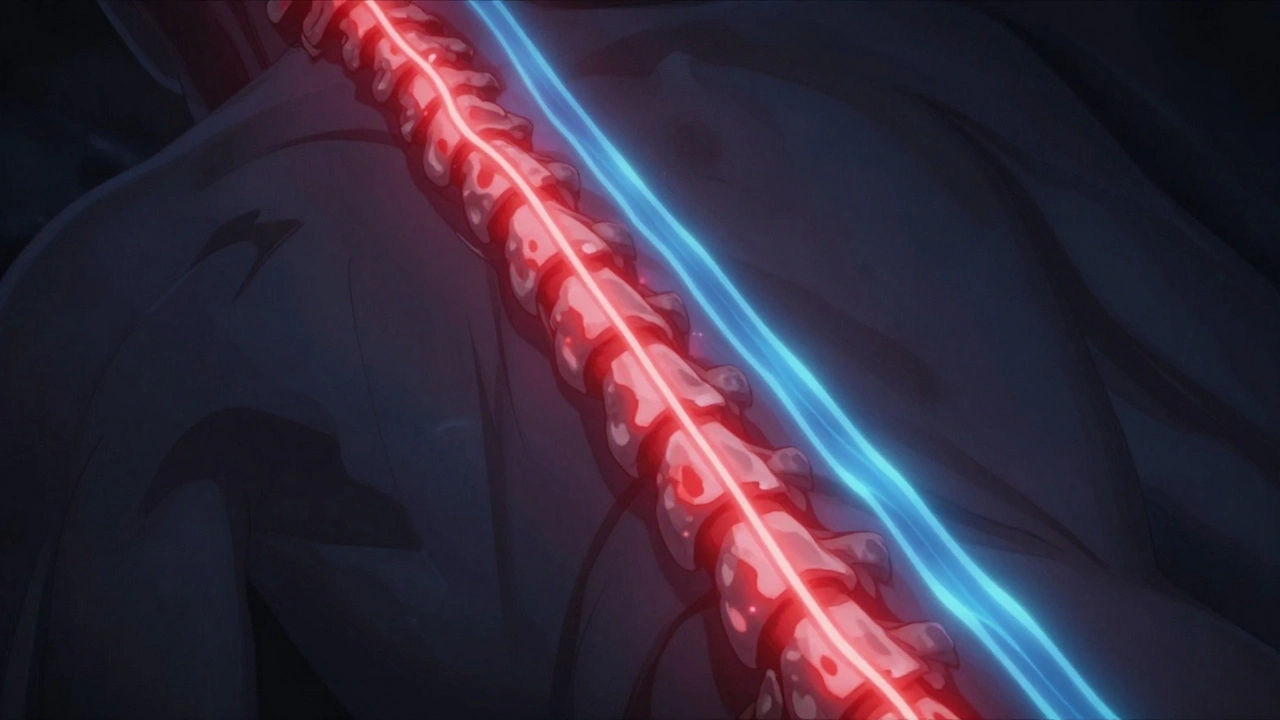
Neuropathic pain doesn’t feel like a cut or a sprain. It’s burning, electric, tingling - the kind of pain that lingers even when there’s no obvious injury. Around 1 in 10 people live with it, often from diabetes, shingles, or chemotherapy. For many, the first real relief comes from two drugs: gabapentin and pregabalin. They’re not opioids. They don’t make you high. But they do change how nerves send pain signals. And choosing between them isn’t just about price - it’s about how your body responds.
How Gabapentin and Pregabalin Actually Work
Both gabapentin and pregabalin are called gabapentinoids. They don’t work like typical painkillers. Instead, they latch onto a specific part of nerve cells called the α2δ subunit. This stops excess calcium from flooding into nerve endings, which in turn cuts down the release of pain-signaling chemicals like glutamate and substance P. Think of it like turning down the volume on a noisy speaker - the signal is still there, but it’s quieter.
Here’s the catch: pregabalin binds to this target about six times more tightly than gabapentin. That’s not just a lab detail - it translates to real differences in how fast and how well they work. Pregabalin also stops the α2δ protein from moving to the spinal cord, a step gabapentin doesn’t do. This might explain why some patients feel relief sooner with pregabalin.
And despite their names sounding like they’re related to GABA (a calming brain chemical), neither drug actually activates GABA receptors. They’re structurally similar, but their action is entirely different.
Key Differences: Absorption, Dosing, and Speed
The biggest practical difference between gabapentin and pregabalin comes down to how your body handles them.
Gabapentin has a strange quirk: its absorption plateaus. If you take 300 mg, your body absorbs about 60%. But if you take 1,200 mg, absorption drops to around 33%. That means doubling your dose doesn’t double your pain relief. It’s unpredictable. That’s why doctors start low and go slow - often increasing by 300 mg every few days. It can take weeks to reach an effective dose, and even then, results vary.
Pregabalin? It’s straightforward. It absorbs nearly 90% no matter the dose. That means if you take 75 mg, you get nearly all of it. Double it to 150 mg? You get nearly double the effect. This linear relationship makes dosing far more reliable.
Speed matters too. Gabapentin takes 3 to 4 hours to peak in your bloodstream. Pregabalin? Less than an hour. For someone with sudden, sharp nerve pain - say, after surgery or a flare-up - that difference can be the line between sleepless nights and rest.
Pain Relief: How Much Better Is Pregabalin?
Studies show pregabalin is about 2.4 times more potent than gabapentin. So a 150 mg dose of pregabalin is roughly equal to 300-400 mg of gabapentin in pain reduction.
At maximum doses, pregabalin keeps improving. At 600 mg a day, many patients report 50% or more pain reduction. Gabapentin? It hits a wall around 1,800 mg. Pushing beyond that doesn’t help much - but side effects keep climbing.
Large clinical trials back this up. For diabetic nerve pain and post-shingles pain, pregabalin has Level A evidence - meaning multiple high-quality studies prove it works. Gabapentin? Level B. It helps, but results are more mixed. The European Federation of Neurological Societies says pregabalin is a clear first-line choice. Gabapentin? Still useful, but less consistent.
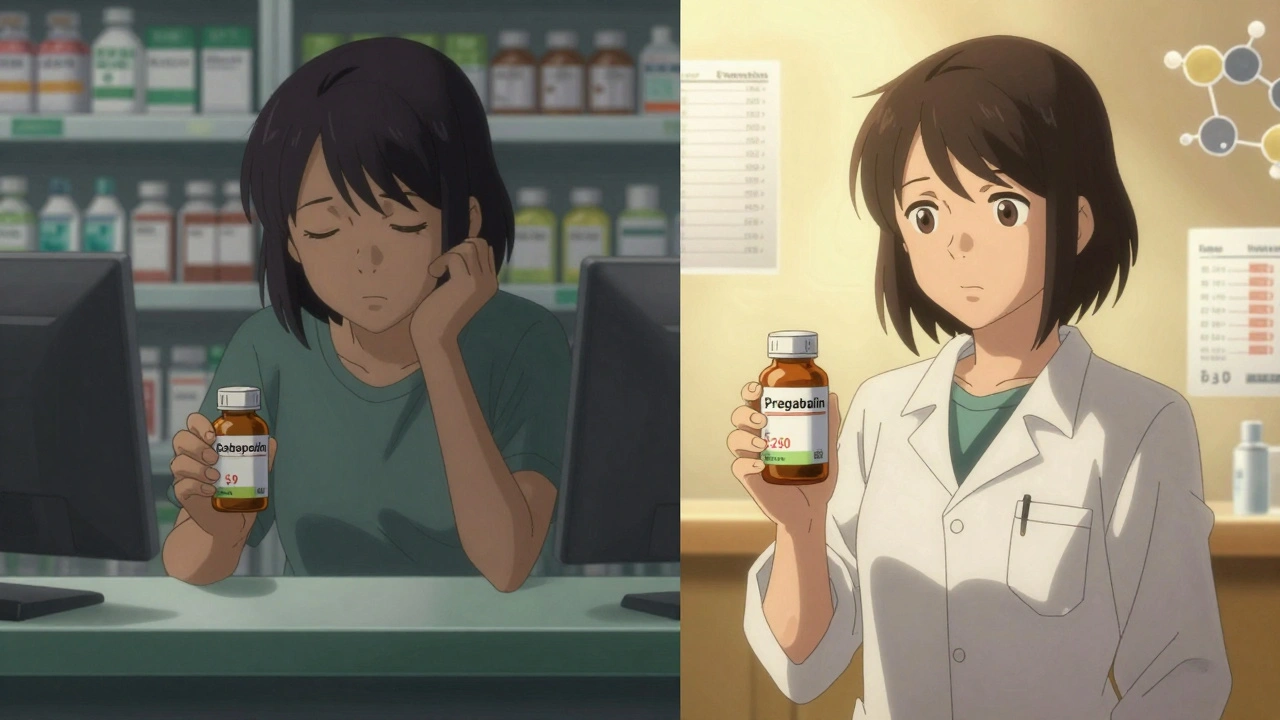
Side Effects: What You’ll Actually Feel
Both drugs cause dizziness, drowsiness, and swelling in the ankles. About 1 in 3 people experience dizziness. Weight gain is common too - around 25% of users gain 5-10 pounds over time.
But here’s what patients notice in real life:
- Pregabalin’s side effects tend to show up faster - often within the first week. Dizziness is slightly more common (32% vs 28% for gabapentin).
- Gabapentin’s drowsiness can be stronger at night, which some people actually like. If your pain wakes you up, a 900 mg bedtime dose can keep you asleep.
- Pregabalin wears off quicker. Some users report their pain creeping back before the next dose, especially if they’re on 150 mg twice daily.
On review sites, gabapentin has a slightly higher average rating (7.9/10 vs 7.5/10), but that’s likely because it’s cheaper and more familiar. Pregabalin users often say they get better control - but they also complain more about insurance denials.
Cost and Accessibility: The Real-World Battle
In the U.S., gabapentin is a generic drug. A 30-day supply of 300 mg capsules costs less than $10 at most pharmacies. Pregabalin? Even as a generic, it’s $150-$300 for the same period. That’s a 10x difference.
That’s why gabapentin is prescribed 5-6 times more often. In primary care clinics, it’s the default. But in pain management centers, pregabalin is the go-to - because specialists see the difference in how patients respond.
Insurance is a big hurdle. Many plans require you to try gabapentin first. If it doesn’t work, they’ll cover pregabalin. Some patients wait months before getting the drug that actually helps.
But cost isn’t just about the pill price. If gabapentin doesn’t work well, you might end up with more doctor visits, more missed work, or even more expensive treatments down the line. Sometimes, paying more upfront saves more in the long run.
Who Gets Which Drug?
There’s no one-size-fits-all. But here’s how most doctors decide:
- Choose pregabalin if: You need fast relief, your pain is severe or worsening, you’re in a specialty clinic, or you can afford it. It’s also preferred for post-surgical nerve pain or when titration speed matters.
- Choose gabapentin if: Your pain is stable, you’re on a tight budget, you’re in primary care, or you respond well to nighttime dosing. It’s also a good starting point if you’re unsure how you’ll tolerate the drugs.
One big caveat: if you have kidney problems, both drugs need dose adjustments. Pregabalin’s dosing is simpler - halve the dose if your creatinine clearance is below 60. Gabapentin requires a more complex calculation. That’s another reason pregabalin is easier for doctors to manage in older patients.
New Developments and What’s Next
In 2023, the FDA approved a new extended-release version of pregabalin called Enseedo XR. It’s designed to give steady levels all day with just one dose. Early data shows 22% fewer spikes and drops in blood levels - which could mean fewer side effects and better sleep.
Researchers are also working on next-gen versions that target only the pain-relieving part of the α2δ subunit, not the side-effect part. Early animal studies show a 40% drop in dizziness while keeping pain relief. That’s promising - but it’s still years away from patients.
There’s also a growing concern about misuse. Between 2012 and 2021, gabapentinoid-related overdose deaths tripled. Most involved people who were also using opioids. That’s why pregabalin now carries a federal risk warning - even though it’s prescribed less often, it’s involved in more abuse cases.
How to Start - And When to Stop
Doctors usually start low:
- Gabapentin: 100-300 mg at bedtime, then increase by 300 mg every 3-7 days. Target: 900-3,600 mg/day.
- Pregabalin: 75 mg twice daily, increase to 150 mg twice daily after a week. Target: 300-600 mg/day.
It takes 2-4 weeks to see full effects. Don’t quit if you don’t feel better after a week. But if you’re dizzy, foggy, or gaining weight fast, talk to your doctor. Don’t stop suddenly - withdrawal can cause insomnia, nausea, and even seizures.
Most people stay on these drugs for months or years. But if your pain improves - say, after better diabetes control - you might be able to taper off. That’s something to discuss with your provider.
Final Thought: It’s Not About Which Is Better - It’s About Which Is Right for You
Gabapentin isn’t outdated. Pregabalin isn’t magic. Both are tools. One is cheaper, slower, and more forgiving. The other is faster, more predictable, and more expensive.
If you’re struggling with nerve pain and your current treatment isn’t working, ask your doctor: "Could one of these help?" Don’t assume gabapentin is the only option. And don’t assume pregabalin is too expensive - ask about patient assistance programs. Many drugmakers offer them.
Neuropathic pain doesn’t go away overnight. But with the right medication, it can become manageable. The goal isn’t to erase it completely - it’s to get your life back.
Can gabapentin and pregabalin be taken together?
Doctors rarely prescribe both at the same time. They work the same way, so combining them doesn’t usually improve pain relief - but it does increase side effects like dizziness, drowsiness, and swelling. If one drug isn’t working, the standard approach is to switch to the other, not add it on.
How long does it take for pregabalin to work for nerve pain?
Some people notice less burning or tingling within 24-48 hours. But full pain relief usually takes 1-2 weeks. Most studies measure effectiveness after 4 weeks. If you don’t feel better by then, your doctor may adjust the dose or switch you to gabapentin.
Is gabapentin safe for long-term use?
Yes, for most people. Many take it for years to manage chronic nerve pain. But long-term use can lead to tolerance - meaning you might need higher doses over time. Weight gain, balance issues, and cognitive fog are common concerns. Regular check-ins with your doctor are important to monitor these effects.
What’s the best time of day to take pregabalin?
Pregabalin is usually taken twice a day - morning and evening - to keep levels steady. If you’re taking it once daily, bedtime is often best, especially if drowsiness is an issue. But if your pain is worse during the day, split the dose to cover both morning and night.
Can I drink alcohol while taking gabapentin or pregabalin?
No. Alcohol increases drowsiness, dizziness, and the risk of falls. It can also worsen depression or cognitive side effects. Even one drink can be dangerous. Most doctors advise complete avoidance while on these medications.
Do these drugs help with fibromyalgia?
Yes. Both are approved for fibromyalgia in many countries, including the U.S. and Australia. Pregabalin has stronger evidence for reducing fibromyalgia pain and improving sleep. Gabapentin is often used off-label and can help, but results are more variable.
What happens if I miss a dose?
If you miss a dose, take it as soon as you remember - unless it’s almost time for the next one. Don’t double up. Missing doses can cause rebound pain or withdrawal symptoms like anxiety, sweating, or insomnia. Consistency matters more than with most pain meds.
For many, neuropathic pain is a lifelong companion. But gabapentin and pregabalin have changed the game. They don’t cure it - but they can turn it from debilitating to bearable. The key is matching the drug to your life, your body, and your needs.

Comments
olive ashley December 6, 2025 AT 23:48
Let me guess - your doctor prescribed gabapentin because it's cheap. But here's the truth: Big Pharma wants you stuck on it because pregabalin's patent expired and now they're pushing generics like it's a miracle drug. Spoiler: it's not. The FDA knows gabapentin's absorption is a mess - they just don't care because insurance companies love it. You're being used as a cost-saving experiment. I've seen patients on 3600mg of gabapentin still screaming in pain while pregabalin users sleep through the night. Don't let your doctor treat you like a lab rat.
Ibrahim Yakubu December 7, 2025 AT 15:01
Brothers and sisters in Africa, we don't even have access to these drugs! In Nigeria, most people with nerve pain just use ginger tea and prayers. I once saw a man with diabetic neuropathy walking on broken glass because he couldn't afford gabapentin. This whole debate is a luxury for the West. Why are we arguing about which expensive pill works better when half the world doesn't even get aspirin? Stop being so privileged. We need real solutions - not pharmacological elitism.
Brooke Evers December 9, 2025 AT 08:55
I just want to say - if you're reading this and you're struggling with neuropathic pain, you're not alone. I've been on both meds. Gabapentin made me feel like a zombie during the day but let me sleep at night. Pregabalin gave me my life back - but the dizziness was brutal at first. I started at 75mg twice a day and slowly worked up. Took me 6 weeks to feel stable. Your body will adapt. Don't give up if the first dose feels awful. Talk to your pharmacist - they can help you with timing. And if cost is an issue, ask about patient assistance programs. I got pregabalin for $10 a month through my drugmaker's program. It's possible. You deserve relief. Keep fighting.
Saketh Sai Rachapudi December 10, 2025 AT 00:42
India is the pharmacy of the world and yet we let Americans dictate our pain management? Gabapentin is made in Hyderabad for pennies and sold for $10 in the US? This is colonial medicine! We should be exporting our generics, not begging for pregabalin! Also, why is everyone so obsessed with western drugs? Ayurveda has Ashwagandha, Brahmi, and Nirgundi - proven for nerve pain for 5000 years! But no, we must worship Big Pharma's pills. Shame on us. And also, pregabalin causes weight gain? That's because you're eating junk food while on it. Eat turmeric, stop sugar, problem solved. #AyurvedaWins
Priya Ranjan December 11, 2025 AT 11:09
Everyone here is missing the point. Gabapentin is a gateway drug to addiction. It's not just about pain - it's about the euphoria. I've seen people crush and snort it. Pregabalin is worse - it's practically a recreational drug now. The FDA warning exists for a reason. You think this is about science? No. It's about control. They want you dependent. They want you docile. They want you to forget your own body's wisdom. Why not try acupuncture? Or CBD? Or even just walking? You're being sold a chemical crutch. Wake up.
Gwyneth Agnes December 13, 2025 AT 07:59
Pregabalin works better. End of story.
Ashish Vazirani December 13, 2025 AT 09:19
WHY IS NO ONE TALKING ABOUT THE FACT THAT GABAPENTIN IS A BULLSHIT DRUG?!?!? I WAS ON 1800MG A DAY FOR 6 MONTHS AND STILL COULDN'T SLEEP! THEN I SWITCHED TO PREGABALIN - 150MG - AND I WAS LIKE A NEW PERSON! IT'S NOT EVEN CLOSE! WHY DO DOCTORS EVEN PRESCRIBE GABAPENTIN?!?!? IT'S LIKE GIVING SOMEONE A BANDAID FOR A GUNSHOT WOUND! AND THEN THEY SAY 'OH IT'S CHEAPER!' - WELL TOO BAD! MY PAIN ISN'T CHEAP! MY SLEEP ISN'T CHEAP! MY LIFE ISN'T CHEAP! STOP BEING CHEAP WITH MY HEALTH!!!
Mansi Bansal December 13, 2025 AT 11:48
One must contemplate the epistemological framework underpinning contemporary neuropharmacological paradigms. The α2δ subunit modulation, while mechanistically elegant, represents a reductionist approach to a phenomenologically complex condition. The commodification of analgesia - wherein cost-benefit analyses supplant individualized therapeutic outcomes - reflects a broader sociopolitical pathology wherein human suffering is quantified in terms of insurance reimbursement codes. One might posit that the preference for gabapentin is not a clinical decision, but a bureaucratic one - a manifestation of neoliberal healthcare rationing disguised as therapeutic pragmatism. The patient, in this context, becomes an actuarial variable.
Kay Jolie December 15, 2025 AT 02:19
Okay, but have we considered the neuroplasticity angle? Pregabalin doesn't just dampen signals - it actually rewires the pain matrix over time. I mean, think about it: chronic pain isn't just a signal - it's a memory. And pregabalin? It's the neural eraser. Gabapentin? It's like turning down the volume on a recording that's still playing in your head. You're just masking it. Pregabalin? It's the actual delete button. Also, the extended-release version? Chef's kiss. My neurologist calls it 'the Swiss watch of neuropathic meds.' I'm not even joking. I've never slept this well since 2018. #NeuroHype #PregabalinIsLife
pallavi khushwani December 15, 2025 AT 07:25
I think it's beautiful how we're all trying to find our own path through pain. Some of us need the precision of pregabalin, others find peace in gabapentin's slower rhythm. Maybe it's not about which drug is better - but which one lets you be more present in your life. I used to hate my body for hurting. Now I see it as trying to tell me something. The meds help me listen. Not fix. Not erase. Just… listen. And that’s enough.
Dan Cole December 16, 2025 AT 04:45
The entire discourse is flawed. You're treating symptoms, not causes. Neuropathic pain is a manifestation of systemic inflammation, mitochondrial dysfunction, and gut dysbiosis. Gabapentin and pregabalin are Band-Aids on a ruptured artery. The real issue? Glyphosate in our food, EMF exposure, and vitamin D deficiency. Fix those and you won't need either drug. Also, the fact that you're even asking which one is 'better' proves you've surrendered to pharmaceutical dogma. You're not a patient - you're a consumer. Wake up. The body heals itself. You just have to stop poisoning it.
Billy Schimmel December 16, 2025 AT 21:12
So you're telling me one drug costs $10 and the other costs $200... and the $200 one works better? Wow. Guess I'll just keep suffering and calling it 'character building.'
Shayne Smith December 18, 2025 AT 17:59
I took gabapentin for 2 years. Didn't help much. Switched to pregabalin - felt like a human again. Then I got laid off, lost insurance, and went back to gabapentin. It's not that it doesn't work - it's just that life doesn't always let you choose what works. So I just deal. Some days are better than others. That's all.