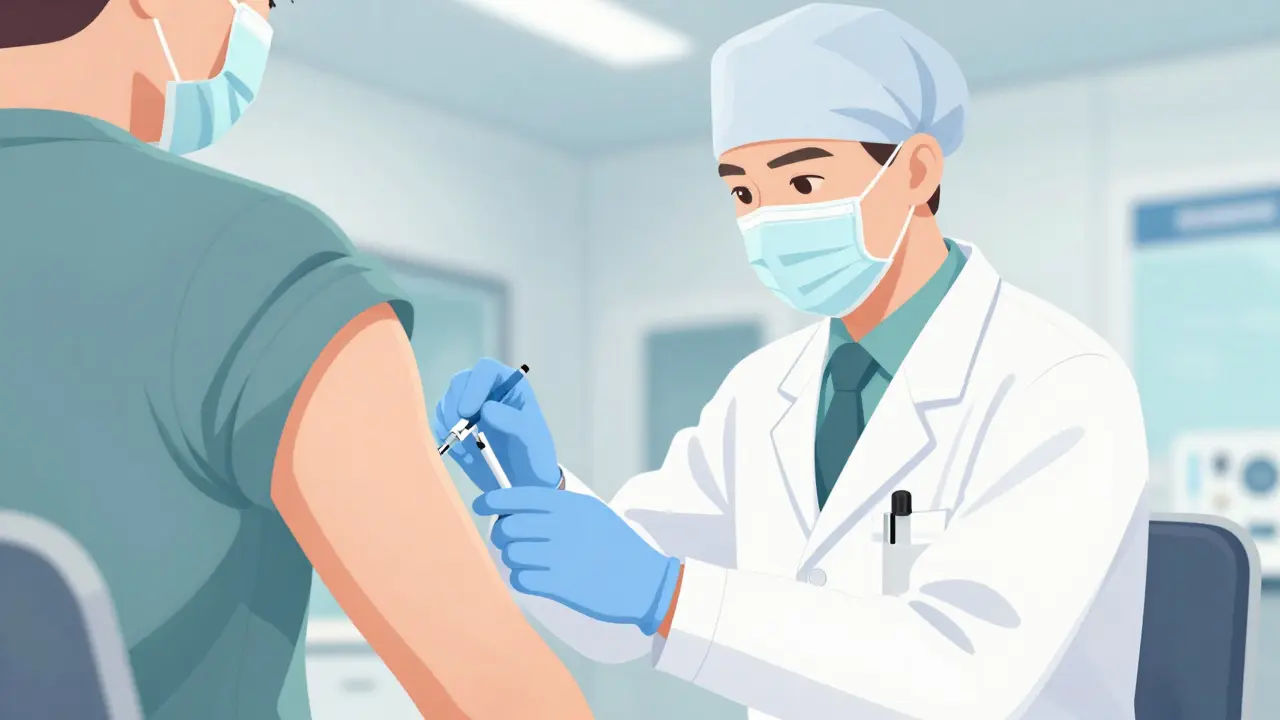
Getting a kidney or other organ transplant is a life-changing event, but it comes with a tricky trade-off. To keep your new organ from being rejected, you have to take immunosuppressive therapy, which basically tells your immune system to stand down. While this protects the organ, it leaves the door wide open for bacteria, viruses, and fungi that a healthy immune system would normally swat away. The goal isn't just to survive the surgery, but to manage this vulnerability so you can actually enjoy your new lease on life.
Quick Takeaways for Patients and Caregivers
- Prophylaxis is key: Preventive meds for CMV and HSV are standard for the first few months.
- Vaccine timing matters: Get as many shots as possible before surgery; avoid live vaccines after.
- Food safety is non-negotiable: Skip raw seafood and unpasteurized cheeses to avoid Listeria.
- Environment counts: Handwashing and masking in crowds are your best defenses against community viruses.
- Monitoring is constant: Regular blood tests (like PCR) catch infections before you even feel sick.
The Three Pillars of Infection Prevention
Preventing infections after a transplant isn't about one single pill; it's a multi-layered strategy. Doctors generally break this down into medical prevention, vaccination, and how you live your daily life. If one layer fails, the others are there to catch you.
First, there is antimicrobial prophylaxis. This is the medical term for taking "preventive" medicines. You aren't taking these because you're already sick, but to stop a specific bug from taking hold while your defenses are low. For example, many patients take medications like acyclovir or valacyclovir for 1 to 3 months to keep the herpes simplex virus (HSV) and varicella-zoster virus (VZV) in check.
Then there are vaccines. The timing here is critical. Ideally, you want to be fully up-to-date on all shots before the transplant. Once you're on immunosuppressants, your body might not respond well to vaccines, and some can actually be dangerous. Specifically, live vaccines are generally a no-go because they could cause the very infection they're meant to prevent. On the flip side, inactivated vaccines are usually safe to administer about 6 months after the transplant.
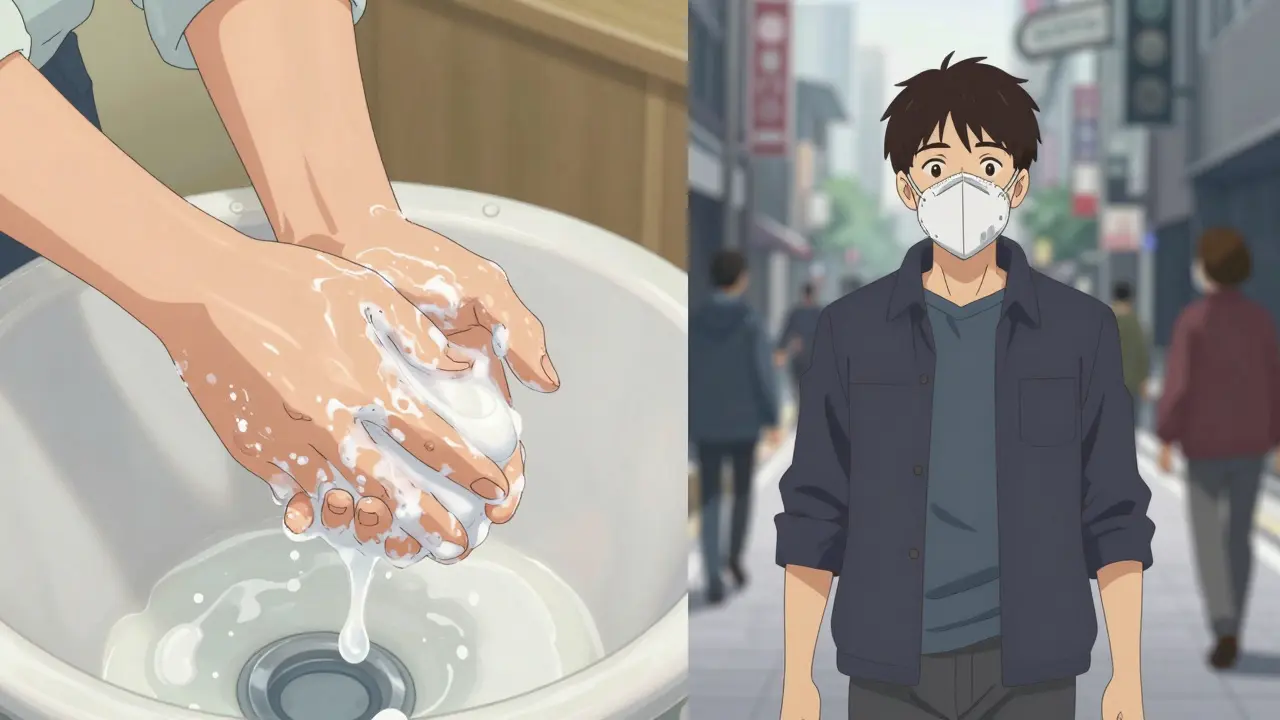
Finally, there's lifestyle modification. This is where you have the most control. It sounds simple, but things like frequent handwashing with soap or alcohol-based gels and wearing N95 masks in high-risk settings (like crowded airports or clinics) significantly drop your risk of respiratory infections, which are the most common issues patients face when returning to the community.
Managing the CMV Threat
One of the biggest hurdles in renal health post-transplant is Cytomegalovirus (also known as CMV), a common virus that usually stays dormant in most people. However, in a transplant recipient, CMV can wake up and cause serious inflammation, increasing the risk of acute organ rejection by 23% to 34%.
To handle this, doctors use two main strategies based on the "serostatus" of the donor and recipient (whether they have CMV antibodies). If you're in a high-risk group, you might receive universal prophylaxis. This means taking an antiviral like valganciclovir-which is preferred over ganciclovir because it's easier for the body to absorb-for 3 to 6 months.
Alternatively, some teams use "preemptive therapy." Instead of giving everyone the drug, they monitor your blood regularly. If they see the virus starting to replicate, they jump in with treatment immediately. This approach reduces the amount of medication you take and helps prevent the virus from becoming resistant to the drugs.
| Target Pathogen | Common Medication | Typical Duration | Goal |
|---|---|---|---|
| CMV (Cytomegalovirus) | Valganciclovir | 3-6 Months | Prevent graft loss and rejection |
| HSV/VZV (Herpes/Shingles) | Acyclovir / Valacyclovir | 1-3 Months | Prevent viral outbreaks |
| Pneumocystis jiroveci | Trimethoprim-sulfamethoxazole | Variable | Prevent opportunistic pneumonia |
Food and Environmental Safety: The "Hidden" Risks
When your immune system is dampened, your kitchen and backyard can suddenly become risky places. Bacteria that wouldn't bother a healthy person can cause severe illness in a transplant patient. One major culprit is Listeria, which is often found in unpasteurized cheeses and raw seafood. The rule of thumb is simple: if it hasn't been thoroughly cooked or pasteurized, don't eat it.
Geography also plays a role. Depending on where you live, you might face different fungal threats. For instance, people in the Ohio River Valley are cautioned about histoplasmosis, a fungus found in soil and bird droppings. If you're gardening or doing home renovations, wearing a mask and gloves isn't just a suggestion-it's a safety requirement.
And what about pets? Animals provide amazing emotional support during recovery, but they can carry parasites or bacteria. It's important to maintain strict hygiene-like washing hands after petting animals or cleaning litter boxes-to ensure your mental health boost doesn't come with a physical cost.
Hospital-Acquired Infections and the ICU Phase
The period immediately following surgery is the most vulnerable. This is when Central Line-Associated Bloodstream Infections (known as CLABSI) can occur. Because you have catheters and IV lines going into your bloodstream, bacteria can hitch a ride straight into your heart.
To stop this, hospitals use strict protocols. This includes daily chlorhexidine bathing for ICU patients and using chlorhexidine-impregnated dressings on catheter sites. Research shows these specific dressings can cut infection rates by 12% to 22%. As a patient, you can help by reminding staff to disinfect catheter hubs before they access your line and by ensuring any unnecessary catheters are removed as soon as the doctor says they're no longer needed.
The New Frontier: Multidrug-Resistant Organisms
A growing concern in transplant medicine is the rise of "superbugs"-specifically MDR Enterobacterales. These are bacteria in the gut that have evolved to survive most standard antibiotics. In about one-third of bacterial infections in solid organ recipients, these multidrug-resistant strains are the cause.
Since traditional antibiotics often fail here, scientists are looking at unconventional solutions. One exciting area is Fecal Microbiota Transplantation (FMT). By repopulating the gut with a healthy microbiome, doctors hope to "crowd out" the bad bacteria, making it harder for uropathogens to take hold. Other research is focusing on anti-adhesion therapies that stop bacteria from sticking to your tissues in the first place.
Monitoring and Early Detection
You can't always trust your symptoms. When you're on immunosuppressants, you might not run a high fever even if you have a serious infection. This is why "monitoring" is a pillar of your care.
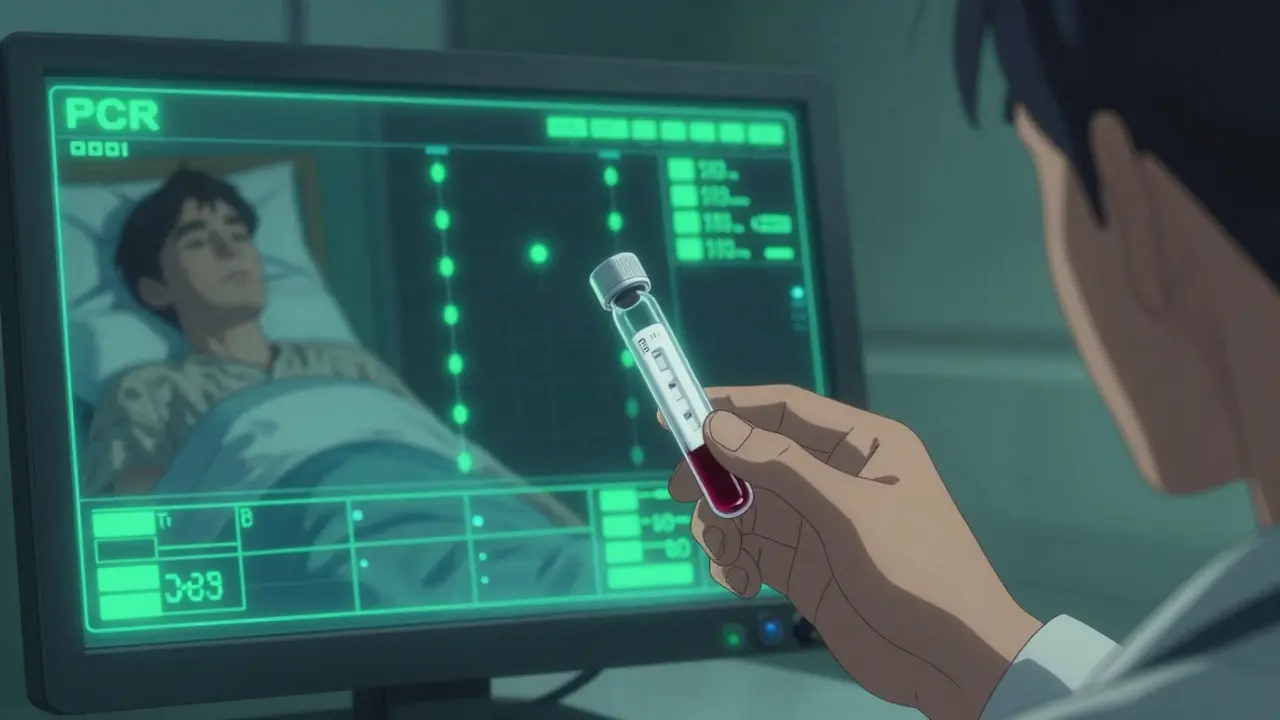
The gold standard for CMV monitoring is now quantitative PCR. This test looks for the DNA of the virus in your blood. It allows doctors to see the virus replicating long before you feel a single symptom, enabling them to start preemptive therapy immediately. For fungal infections, markers like galactomannan and beta-D-glucan are used to catch invasive aspergillosis early, which is especially critical for those who have had stem cell transplants.
Can I get a flu shot after my transplant?
Yes, but only the inactivated (injectable) version. You must avoid the live attenuated nasal spray vaccine, as it can cause infection in immunocompromised people. Your doctor will typically suggest this once you are stable, often around the 6-month mark.
Why do my family members need to be vaccinated?
This is called "cocooning." Since your own immune response to vaccines is weakened, you rely on the people around you to not bring the virus into your home. If your family is vaccinated against the flu and other respiratory illnesses, they act as a human shield for you.
Is it safe to have a cat or dog after a kidney transplant?
Generally yes, but with precautions. Avoid cleaning litter boxes (which can carry Toxoplasma) and ensure your pets are up-to-date on their own vaccinations and parasite treatments. Always wash your hands after playing with them.
What is the difference between prophylaxis and preemptive therapy?
Prophylaxis is giving medication to everyone in a high-risk group to prevent the virus from ever appearing. Preemptive therapy involves regular blood testing and only giving the medication once the virus is detected in the blood, but before it causes actual disease.
When does the risk of infection decrease?
For many patients, the intensity of immunosuppression is tapered down after the first 6 months. While you will always be more vulnerable than someone without a transplant, the risk for some acute infections drops as your immune system regains some function.
Next Steps and Troubleshooting
If you are currently in the pre-transplant phase, your priority is the "vaccine sweep." Make a list of every shot you've had and talk to your coordinator about what can be finished now. If you are already post-transplant, keep a strict log of your medications and the dates of your PCR tests.
If you notice a low-grade fever, unusual shortness of breath, or a persistent cough, don't wait for your next scheduled appointment. Contact your transplant team immediately. In the world of organ health, catching a viral or fungal or bacterial infection early is the difference between a simple course of meds and a serious hospital stay.

Comments
Goodwin Colangelo April 5, 2026 AT 01:40
The point about the N95 masks is huge. A lot of folks think a surgical mask is enough, but when you're on that level of immunosuppression, you really want that tight seal to keep the nasty stuff out of your lungs. I've seen a few patients get complacent after the six-month mark, but honestly, keeping the mask game strong in crowded spots is just common sense for long-term graft survival.
Beth LeCours April 5, 2026 AT 03:10
Too much reading.
Divine Manna April 6, 2026 AT 09:57
One must consider that the precarious balance between graft acceptance and systemic vulnerability is not merely a medical challenge, but a profound existential paradox. It is intellectually lazy to assume that simply following a checklist of prophylaxis will suffice without a deeper understanding of the biological warfare occurring within the interstitial spaces of the organ. The precision of the PCR monitoring mentioned is the only thing separating a successful recovery from a catastrophic failure of the immune system's newly established equilibrium. Most people fail to realize that the psychological toll of this constant vigilance is as significant as the physiological risk. To exist in a state of permanent fragility is to realize that health is not a constant, but a fragile negotiation with the invisible world. Those who dismiss these protocols are not merely reckless; they are fundamentally misunderstanding the nature of their own survival.
Ace Kalagui April 8, 2026 AT 00:24
I just want to say that it is so incredibly heartening to see this kind of detailed guidance laid out for people who are probably feeling very overwhelmed right now, because when you first get that call for a transplant, your whole world flips upside down and you suddenly have to learn a whole new medical language while trying to heal from a major surgery. I remember talking to a friend who went through this and the anxiety regarding the 'hidden risks' like gardening or pets can be almost paralyzing, but having a roadmap like this helps turn that fear into a manageable routine that allows you to actually focus on the joy of having a new organ and getting back to the things you love in life!
The Charlotte Moms Blog April 9, 2026 AT 08:42
Who even writes like this...!!! Like, is the 'hidden risk' of a cat really that scary?!!! Total overkill...!!!
Jenna Carpenter April 10, 2026 AT 16:38
Girl, it totaly is scary if u dont want your organ to fail. Some ppl just dont get how srs this is until its too late. Just follow the rules and stop complainin.
simran kaur April 10, 2026 AT 20:58
Funny how they push 'universal prophylaxis' as the standard. Why is it that the medical establishment always prefers a blanket pharmacological approach over actually addressing the environmental toxins that weaken us first? It is quite an elegant way to ensure a lifelong dependency on big pharma's antiviral cocktail while ignoring the systemic failures of the ICU environments they mention. I find it highly suspicious that they only suggest inactivated vaccines after six months-as if the timing is a coincidence and not a calculated move to maximize profit margins on the 'monitoring' phase of the recovery process.
Lawrence Rimmer April 11, 2026 AT 08:00
The whole 'cocooning' thing is just a fancy word for living in a bubble. We've traded one kind of prison for another, and calling it 'protection' is just a linguistic trick to make the loss of freedom taste better.
Joey Petelle April 12, 2026 AT 18:08
Imagine thinking that a 'human shield' of vaccinated family members is the peak of medical innovation. Truly a masterpiece of American healthcare efficiency, where we just outsource the immune system to the neighbors because our own is basically a wet paper towel. Just peak comedy right there.
Dipankar Das April 14, 2026 AT 08:53
You must adhere to these guidelines with the utmost discipline because any deviation from the prescribed prophylaxis is an invitation for disaster to strike your new organ! It is imperative that every single patient treats their recovery period as a rigorous military operation where hand hygiene is the primary line of defense! There is absolutely no room for laziness or excuse when it comes to the quantitative PCR tests, as failure to monitor the viral load is a direct path to graft loss and total failure of the surgical intervention!
angel sharma April 15, 2026 AT 03:34
Keep pushing forward everyone because this journey is a marathon not a sprint and every single person who manages to navigate these strict rules is a true warrior in every sense of the word! Just imagine the feeling of strength you get when those PCR tests come back clear and you know that your discipline is paying off in the form of a long and healthy life with your new gift! Stay focused on the goal and do not let the fear of the superbugs get in the way of your progress because you have the tools and the medical support to overcome every single obstacle in your path!
Hudson Nascimento Santos April 16, 2026 AT 06:07
It is interesting how we view the body as a fortress and the medications as the guards. But eventually, the guards become the only reason the fortress stands. I wonder if the psychological shift from 'healthy' to 'monitored' changes the very essence of how we experience our own existence.