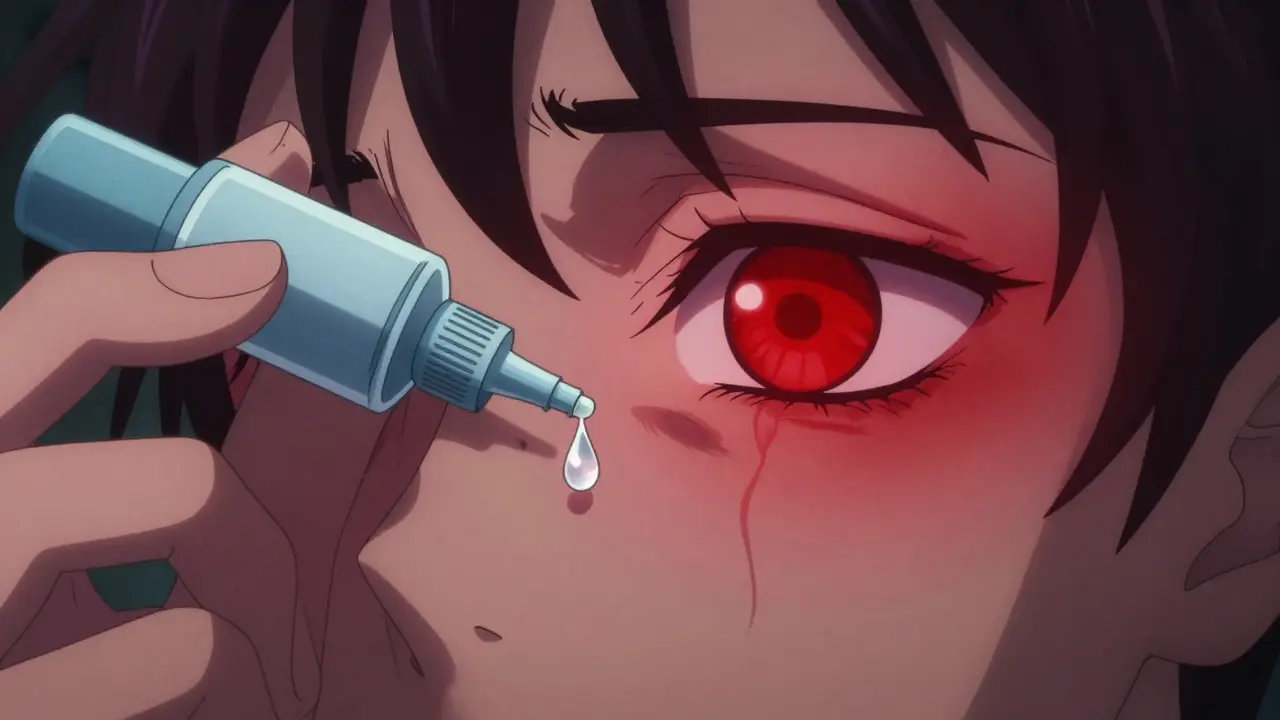
Imagine waking up with eyes so red and painful that you can barely open them. Whether it's a severe allergic reaction or a sudden flare-up of uveitis, the inflammation can feel overwhelming. In these moments, Steroid Eye Drops is a class of potent pharmaceutical agents designed to rapidly reduce ocular inflammation by inhibiting inflammatory pathways like prostaglandin synthesis. Commonly known as corticosteroids, these drops act as a powerful "fire extinguisher" for the eyes, stopping the immune system from overreacting and damaging delicate ocular tissues.
While these medications can be lifesavers for your vision, they aren't like standard lubricating drops. They are heavy-duty drugs that come with a strict set of rules. Using them improperly-or skipping your check-ups-can lead to permanent vision loss. The goal is always to balance the immediate need to stop inflammation with the long-term need to protect your optic nerve and lens.
How Steroid Eye Drops Work and Their Main Benefits
When your eye is inflamed, your body releases chemicals that cause swelling and redness. Corticosteroids interfere with the production of these chemicals. This leads to a fast reduction in swelling and a decrease in pain, which is critical for preserving vision in acute scenarios.
Doctors typically prescribe these drops for a specific set of conditions:
- Non-infectious allergies: Severe reactions where standard antihistamines aren't enough.
- Uveitis: Inflammation of the middle layer of the eye, which requires aggressive control to prevent blindness.
- Conjunctivitis: Specific non-bacterial inflammatory versions of "pink eye."
- Chemical or Thermal Burns: To reduce the massive inflammatory response after an injury.
You'll often see these prescribed as Prednisolone Acetate (found in brands like Pred Forte), Dexamethasone, or Loteprednol Etabonate. Each has a different "strength" or potency, and your doctor chooses the one that matches the severity of your inflammation.
The Hidden Danger: Steroid-Induced Glaucoma
The biggest risk with these drops is the rise in Intraocular Pressure (IOP), which is the fluid pressure inside your eye. When this pressure gets too high, it can crush the optic nerve, leading to a condition known as steroid-induced glaucoma.
Here is the tricky part: most people don't feel the pressure rising. You won't feel a "pop" or a headache; the damage happens silently. About 30-40% of people see some increase in pressure, but a small group-about 4-6%-are called "steroid responders." These individuals experience a massive spike in pressure (often more than 15 mmHg), putting them at an immediate risk for permanent blindness if the drops aren't stopped or managed.
If you have a history of glaucoma, diabetes, or a family member with high eye pressure, you are at a much higher risk. In some cases, doctors might add a temporary pressure-lowering drop to keep things stable while the steroid does its work.
The Risk of Cataracts and Secondary Infections
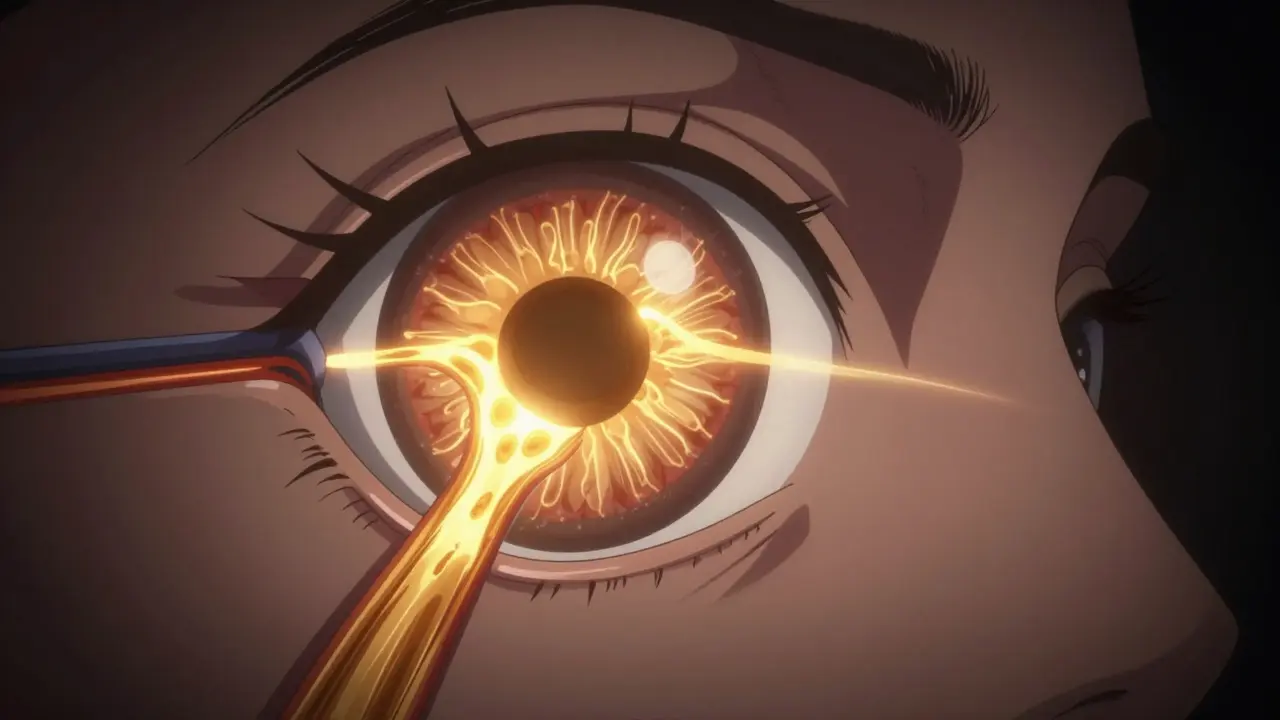
Beyond pressure, long-term use can cloud the natural lens of your eye. Specifically, steroids can cause Posterior Subcapsular Cataracts. Unlike age-related cataracts that cloud the whole lens slowly, these form at the back of the lens, right in the center of your vision. This can make reading or seeing in bright light very difficult.
The risk increases significantly if you use these drops for more than 10 days, with a substantial jump in risk after 3 to 6 months of continuous use. While cataract surgery is highly successful (around 95%), it's a surgery you'd rather avoid if possible.
There is also an immune-system trade-off. Because steroids suppress inflammation, they also suppress your eye's ability to fight off germs. This opens the door for opportunistic infections. For example, a dormant case of Herpes Simplex in the eye can suddenly reactivate and become a severe ulcer when you start using steroid drops. This is why a thorough exam is required *before* the first drop ever hits your eye.
| Duration of Use | Risk Level | Primary Concerns |
|---|---|---|
| Less than 2 weeks | Relatively Low | Mild pressure fluctuations |
| 2 to 4 weeks | Moderate | IOP spikes in "responders," early inflammation control |
| 1 to 2 months | High | Significant IOP elevation, increased infection risk |
| Over 3 months | Very High | Posterior subcapsular cataracts, optic nerve damage |
Monitoring: Why You Can't Skip Your Appointments
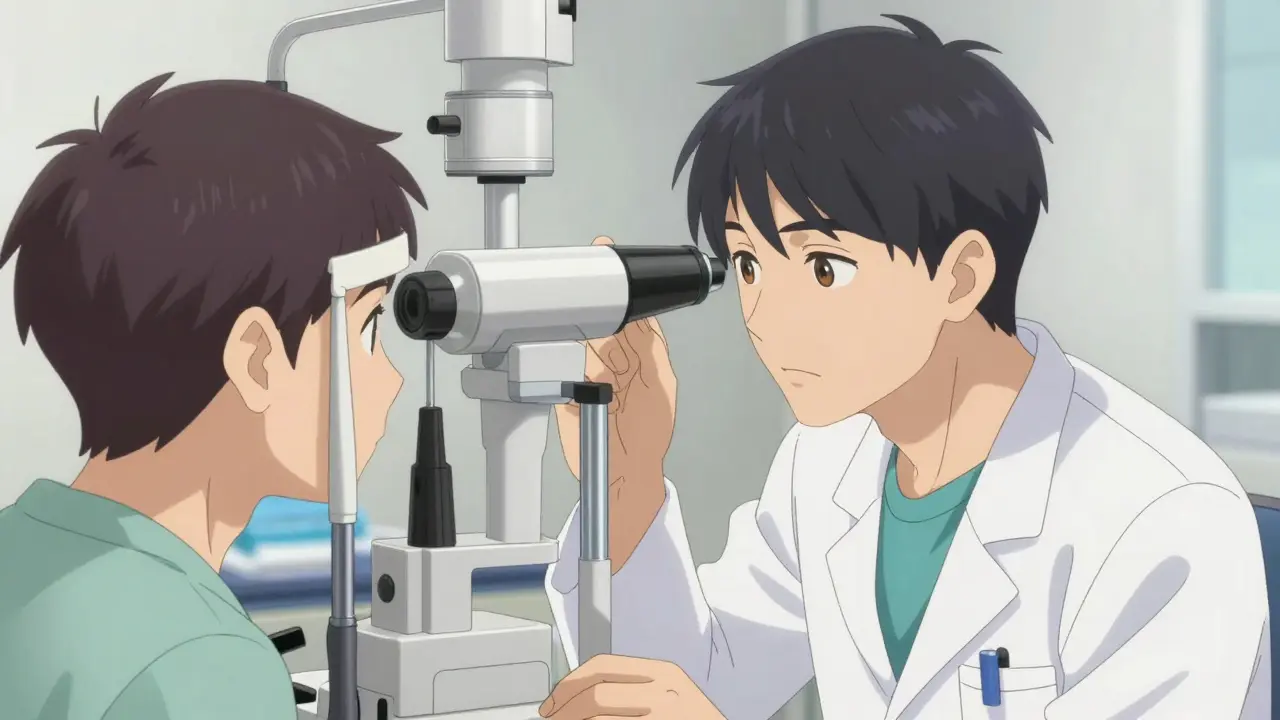
Since the most dangerous side effects are invisible, you need an objective way to track your eye health. Your doctor will use a process called Goldmann Applanation Tonometry, which is the gold standard for measuring the pressure in your eye. This involves a small probe gently touching the surface of the eye to calculate the internal pressure.
A standard monitoring schedule usually looks like this:
- Baseline Test: A full exam and pressure check before you start the drops.
- Active Monitoring: Pressure checks every 2 to 4 weeks. If you're using high-potency drops like Prednisolone, this might happen every 1 to 2 weeks.
- Slit-Lamp Exam: Your doctor will use a microscope to look for early signs of cataracts or changes in the cornea.
- Visual Field Testing: For long-term users, this ensures that the peripheral vision is still intact and the optic nerve isn't being damaged.
If you start noticing blurry vision, unusual eye pain, or "tunnel vision," these are red flags. You should contact your clinic immediately rather than waiting for your next scheduled visit.
Safe Usage and Tapering Off
One of the most dangerous things you can do is stop steroid drops "cold turkey." If you've been using them for a while, your body may have stopped producing its own natural anti-inflammatory chemicals. Stopping suddenly can cause a "rebound effect," where the inflammation comes back even worse than before.
Your doctor will put you on a tapering schedule. This means slowly reducing the number of drops per day (e.g., moving from four times a day to three, then two, then one) over several days or weeks. This gives your eye time to adjust and prevents the inflammation from returning.
For people who need long-term management for chronic conditions, doctors may switch you to Nonsteroidal Anti-inflammatory Drugs (NSAIDs). These don't have the same "punch" as steroids, but they also don't cause glaucoma or cataracts, making them a safer bet for the long haul.
Can I use steroid drops if I already have glaucoma?
It is possible, but extremely risky. People with pre-existing glaucoma are much more likely to experience a dangerous spike in eye pressure. If a steroid is absolutely necessary, your doctor will likely prescribe a pressure-lowering medication simultaneously and monitor you much more frequently (often weekly).
How do I know if I am a "steroid responder"?
You cannot tell by how your eye feels. Being a responder is a biological trait where your eye's drainage system is particularly sensitive to corticosteroids. The only way to know is through a pressure test (tonometry) while using the drops.
Do these drops cause systemic side effects?
Yes, although it's less common than with oral steroids. Even topical drops can be absorbed into the bloodstream. In rare cases of high-dose, long-term use, patients have experienced systemic issues like hyperglycemia (high blood sugar) or hypertension.
What happens if I develop a steroid-induced cataract?
Once a cataract forms, it cannot be reversed with medicine. The only way to restore clear vision is through cataract surgery, where the cloudy lens is replaced with an artificial one. While the surgery has a high success rate, it is an invasive procedure that can be avoided by proper monitoring.
Why can't I just use an over-the-counter allergy drop?
Over-the-counter drops are usually antihistamines or vasoconstrictors. They treat the symptoms (itching/redness) but don't treat the underlying inflammation. Steroids treat the root cause of the inflammation but carry risks that require medical supervision. Never use a leftover prescription of steroid drops without a current doctor's order.
Next Steps for Patients
If you've been prescribed steroid drops, your first priority is to establish a baseline. Make sure you have a full eye exam before the first dose. If you are using these for more than two weeks, set a recurring reminder on your phone for your pressure checks-don't rely on "feeling fine" to decide if you need an appointment.
For those transitioning off the medication, strictly follow your tapering schedule. If you notice any new blurriness or a return of redness as you decrease the dose, call your doctor immediately. They can adjust the taper to prevent a rebound flare-up.
