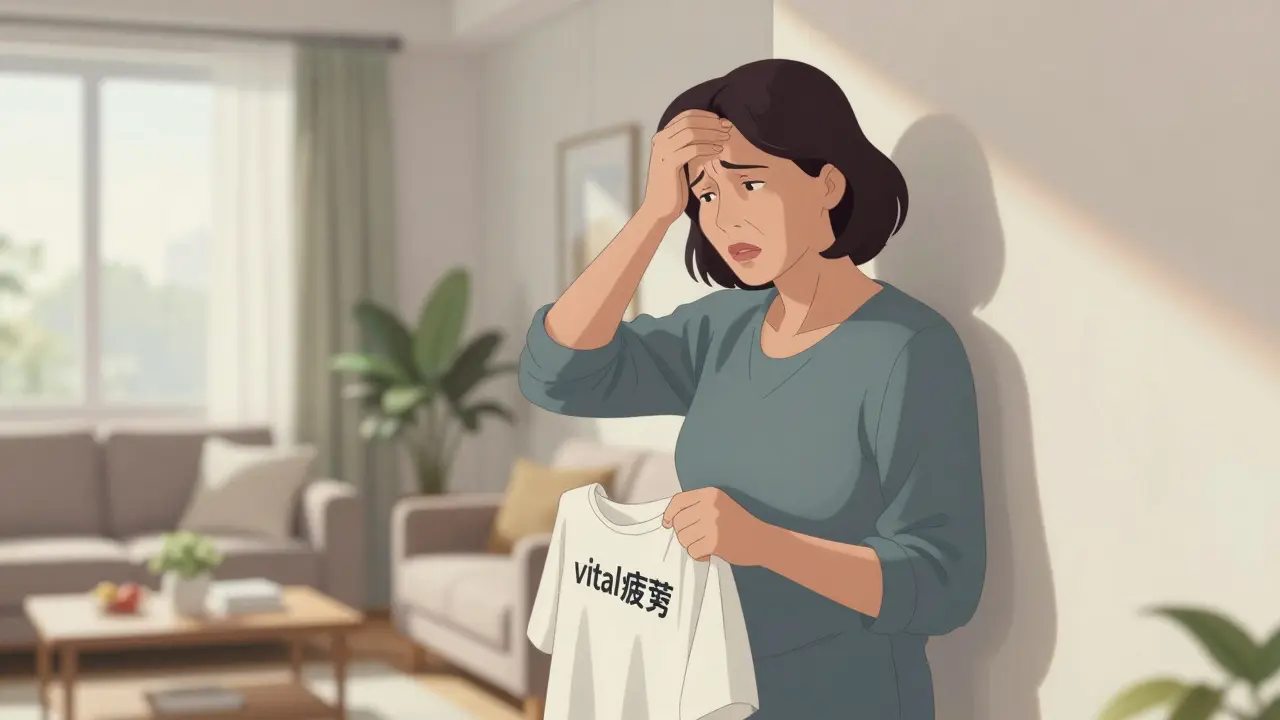
Heart disease is the leading cause of death for women globally, yet many of us still think of it as a "man's problem." It's a dangerous misconception. In the U.S. alone, heart disease claims about 1 in every 5 female lives, yet a staggering number of women still don't identify it as their primary health threat. The real issue is that for decades, medical research focused almost entirely on men. The famous Framingham Heart Study from the mid-20th century didn't even include women, meaning the "classic" signs of a heart attack we see in movies-like a man clutching his chest and falling over-aren't the only way this crisis manifests. For women, the warning signs are often quieter, more vague, and far more likely to be ignored.
Why Women Experience Heart Disease Differently
It isn't just about different symptoms; it's about different biology. Women have smaller arteries and a different hormonal makeup, which leads to distinct types of cardiac issues. For instance, Microvascular Disease is a condition where the very small arteries that supply the heart muscle don't function properly, even if the larger arteries look clear on a standard angiogram . Women are twice as likely as men to develop this, which is why they often feel shortness of breath or extreme fatigue without the "crushing" chest pain typically used for diagnosis.
There are also other gender-specific conditions. SCAD (Spontaneous Coronary Artery Dissection) occurs when a tear forms inside a coronary artery, and Takotsubo Syndrome, also known as "broken heart syndrome," is a form of stress-induced cardiomyopathy that disproportionately affects women during periods of intense emotional distress. Because these aren't the "standard" blockages seen in men, they are often missed during initial emergency room visits.
Spotting the "Atypical" Symptoms
If you're waiting for a bolt of lightning in your chest, you might be waiting too long. While chest pain is still common, women are significantly more likely to experience symptoms that feel like something else entirely. Have you ever felt a sudden, overwhelming fatigue that makes it impossible to even make your bed? Doctors call this "vital fatigue," and it's reported by about 71% of women who've had heart attacks. It's not just "being tired"; it's a profound lack of energy that comes out of nowhere.
Other red flags include nausea, dizziness, and pain that doesn't stay in the chest. Many women report discomfort in the jaw, neck, or back. In fact, 45% of women report pain in these areas compared to only 28% of men. Because these symptoms mimic indigestion or a flu, women are 59% more likely to mistake a heart attack for something benign, leading to a critical delay in treatment. When every minute counts for saving heart muscle, a two-hour delay can be the difference between a full recovery and permanent heart damage.
| Symptom | Frequency in Women | Frequency in Men |
|---|---|---|
| Chest Pain/Pressure | 65% | 90% |
| Shortness of Breath | 42% | 29% |
| Nausea/Vomiting | 36% | 18% |
| Extreme Fatigue | 34% | 16% |
| Jaw/Back/Arm Pain | 45% | 28% |
The Diagnostic Gap and the "Anxiety" Trap
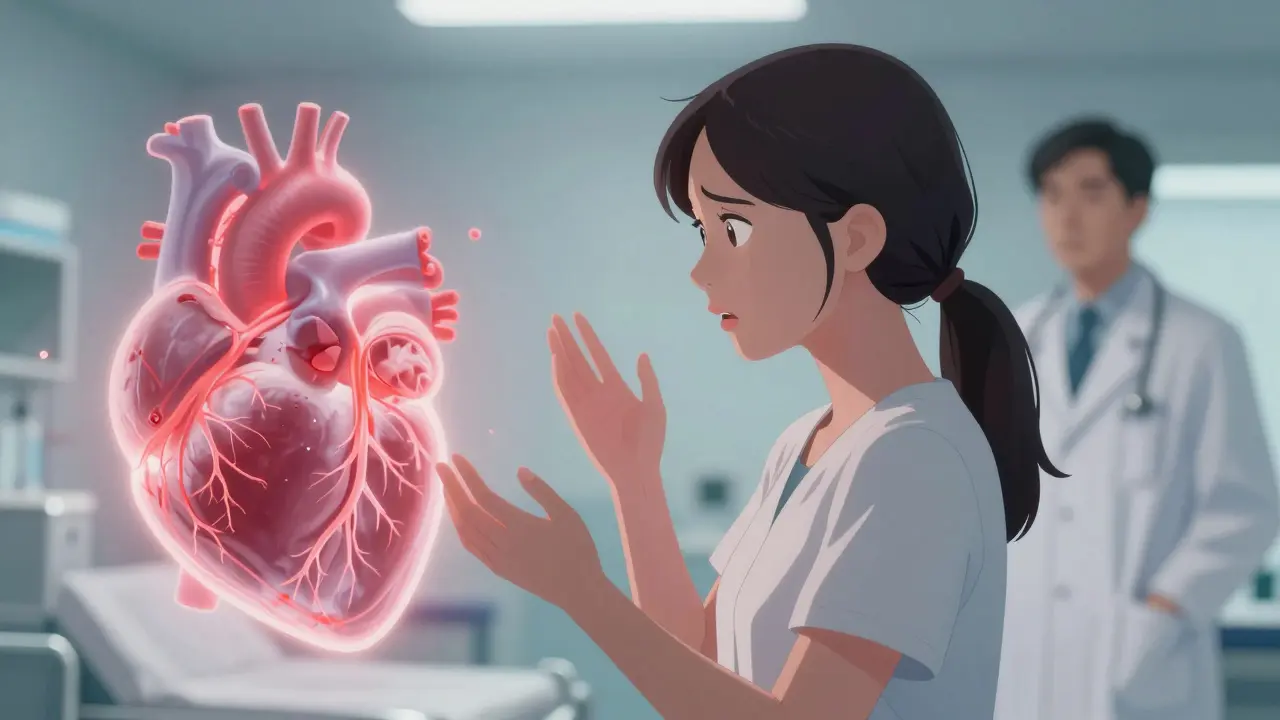
One of the most frustrating parts of women's heart health is the systemic bias in the ER. Women under 55 are seven times more likely than men to be sent home without proper cardiac testing. Why? Often, it's because their symptoms are attributed to anxiety, stress, or emotional distress. A study in JAMA Internal Medicine found that this bias occurred in 68% of emergency cases involving women with cardiac symptoms. When a patient is told she's "just stressed," she's less likely to push for the tests that could save her life.
This gap extends to older women as well. Those over 65 have a 34% higher risk of experiencing "silent heart attacks"-events that happen without any recognizable symptoms. This means the damage is done before the patient even knows something is wrong, leading to higher mortality rates. This is why it is vital to advocate for yourself and your loved ones; if something feels wrong, don't accept a diagnosis of "anxiety" without a thorough cardiac screen.
Managing Your Risk: Beyond the Basics
Preventing women's heart disease requires looking at the whole life cycle, not just cholesterol and blood pressure. Traditional risk calculators often miss factors that are unique to the female experience. For example, pregnancy complications like Preeclampsia can increase your future risk of heart disease by a staggering 80%. If you've had a complicated pregnancy or high blood pressure during gestation, your heart health needs closer monitoring long after the baby is born.
Menopause is another critical window. The shift in hormones can accelerate the buildup of plaque in the arteries. To manage your risk effectively, you should track your menstrual history and menopausal status and discuss them with your provider. Modern diagnostics are also improving. The Corus CAD test, for instance, analyzes gene expression to assess risk with 88% accuracy in women, which is far more reliable than the old-school stress tests that often fail to detect microvascular issues.
When to Seek Immediate Help
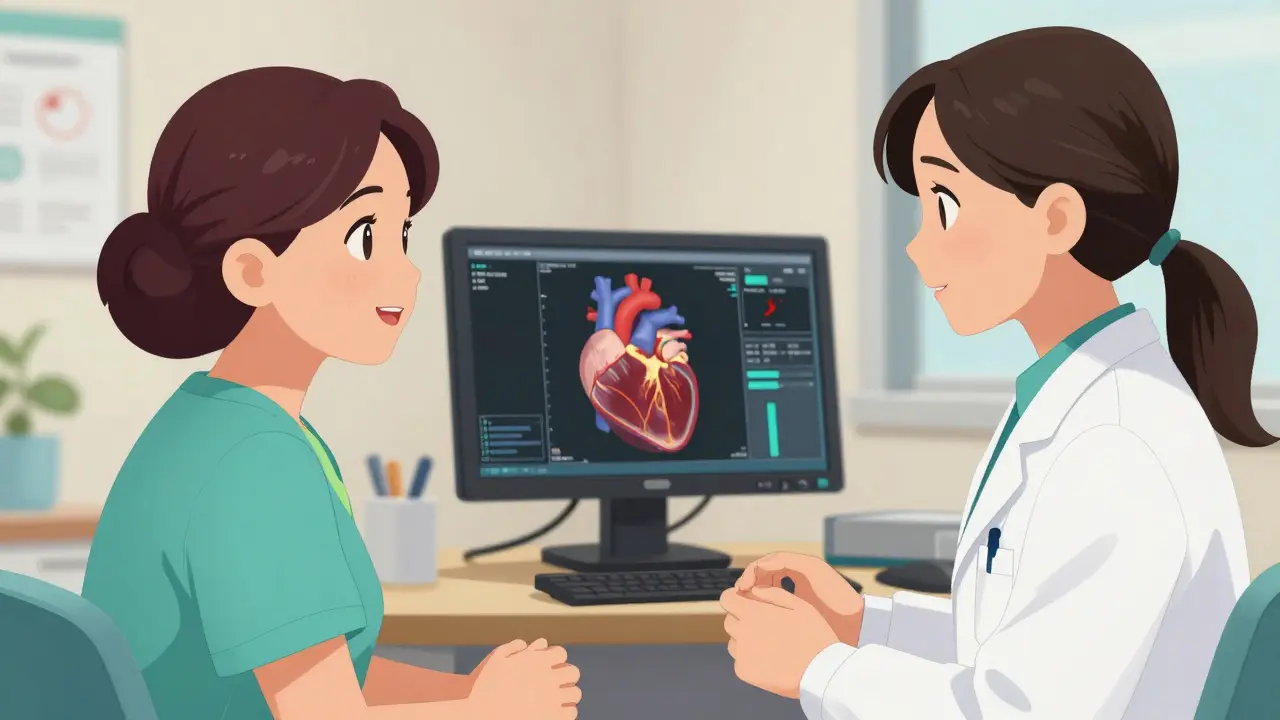
You don't need to be a medical expert to save a life, but you do need to know when to stop waiting. If you or a woman in your life experiences three or more of the following symptoms, get to an emergency room immediately:
- Unusual, crushing fatigue that interferes with daily activities.
- Shortness of breath during activities that used to be easy.
- Nausea or a feeling of indigestion that doesn't go away.
- Pain, pressure, or tightness in the jaw, neck, or back.
- Lightheadedness or sudden dizziness.
Remember, you don't have to have all of these. Some women experience nausea and shortness of breath without any chest pain at all. If you feel an unusual level of stress triggering chest discomfort-especially if it wakes you up in the middle of the night-don't ignore it. It's better to have a "false alarm" at the hospital than to ignore a silent heart attack at home.
Why are heart attack symptoms different for women?
Women have different anatomical and hormonal structures than men. Specifically, women are more prone to microvascular disease, where the small arteries are blocked or dysfunctional, whereas men more often have blockages in the large coronary arteries. This difference in where the disease occurs changes how the body signals a heart attack, leading to symptoms like fatigue and nausea rather than just chest pain.
Can anxiety actually mimic a heart attack in women?
Yes, anxiety and panic attacks can cause chest tightness and shortness of breath. However, this similarity is often used by medical providers to dismiss actual cardiac events in women. Because the stakes are so high, any new or unexplained shortness of breath or chest pressure should be evaluated by a professional to rule out heart disease before assuming it is psychological.
How does pregnancy affect long-term heart health?
Pregnancy acts as a "stress test" for the cardiovascular system. Conditions such as preeclampsia, gestational diabetes, or pregnancy-induced hypertension can damage blood vessels and increase the risk of heart disease later in life. Specifically, preeclampsia can increase the risk of future heart disease by up to 80%, making lifelong monitoring essential for women who experienced these complications.
What is a "silent heart attack" and who is at risk?
A silent heart attack occurs when the heart muscle is damaged but the patient doesn't experience typical symptoms like chest pain. Women over 65 are 34% more likely to have these than men. They are often discovered during routine check-ups or after a second, more obvious event. This is why regular screenings are vital, even if you feel "fine."
Are there special tests for women's heart disease?
Yes. Traditional stress tests can sometimes miss microvascular disease. Newer tools like the Corus CAD test analyze gene expression to identify risk with much higher accuracy in women. Additionally, specialized Women's Cardiovascular Centers of Excellence use gender-specific protocols to reduce diagnostic delays and provide more accurate imaging tailored to female anatomy.
Next Steps for Your Heart Health
If you've never had a cardiovascular screening, now is the time. Start by scheduling a visit with your primary care doctor and bring a list of your reproductive health history, including any pregnancy complications or the timing of your menopause. If you are currently experiencing unexplained fatigue or shortness of breath, don't wait for a scheduled appointment-seek a cardiac evaluation immediately.
For those who have already experienced a cardiac event, look for hospitals with accredited Women's Cardiovascular Centers. Data shows that women have a 22% higher survival rate when treated at centers that specialize in female cardiac care. Don't be afraid to ask your doctor for specific tests, like a gene-expression analysis or advanced imaging, if you feel your symptoms aren't being taken seriously.
